Static Bursts (Ep #7): Installing ESD Flooring in a 24/7 Facility Without Disrupting Operations

Listening Time: 3 minutes

Podcast

Installing a floor in a 24/7 operational facility comes with its own set of challenges. As with any flooring installation, it’s important to consider logistics: Will chemicals be used? Adhesives? Coatings? Are there toxins or odors to deal with? What is the condition of the current floor or subfloor? Will the old floor require removal?

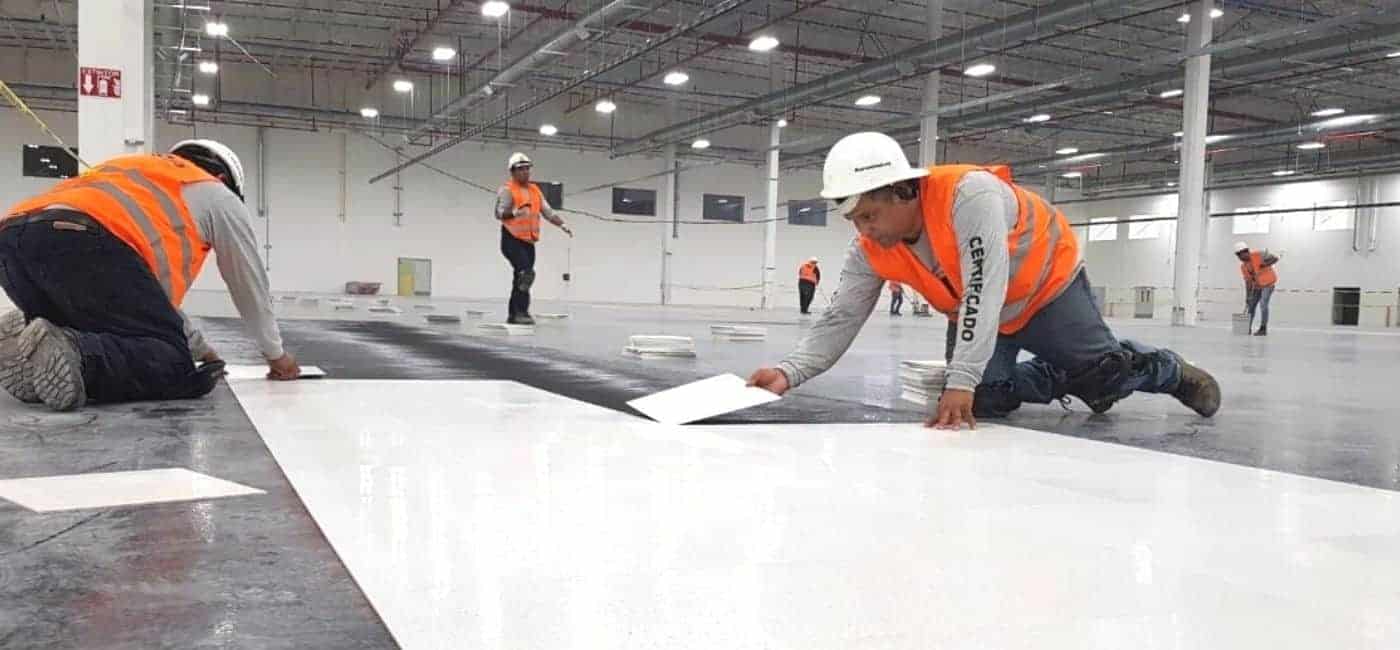
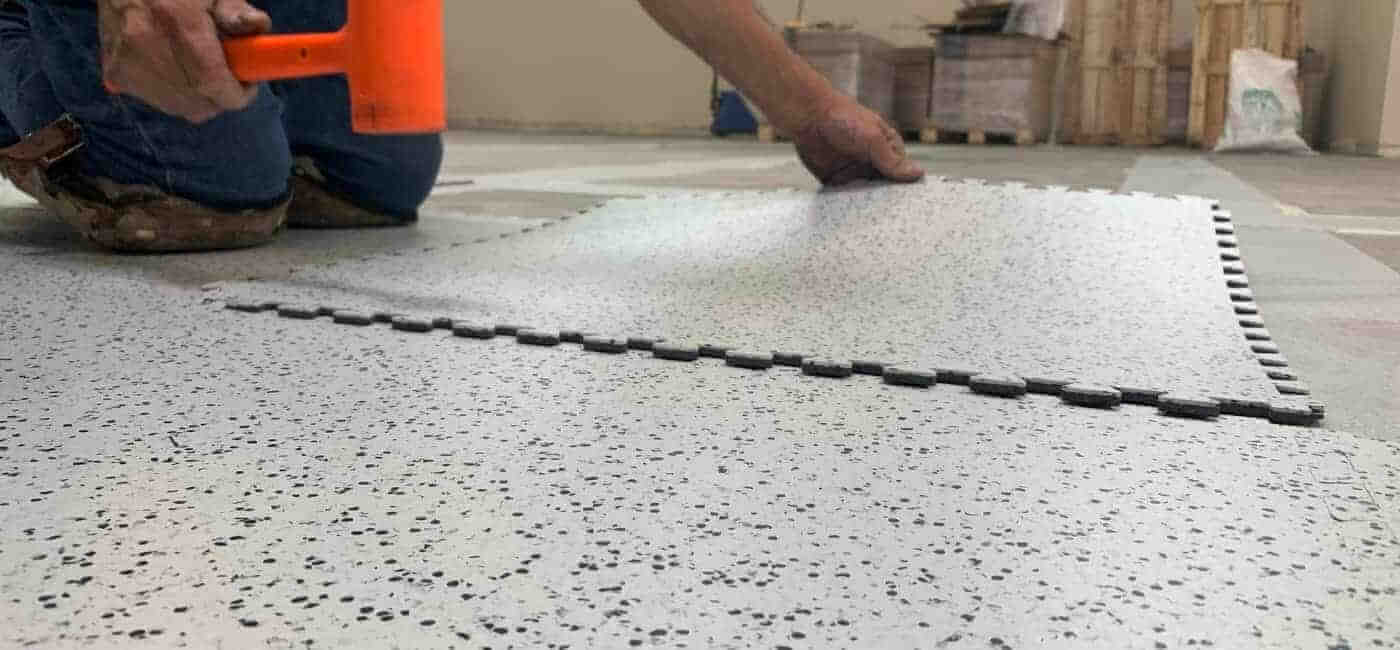
Dave discusses the optimal way to install an ESD floor in 24/7 operational spaces – without adhesive or chemicals and with neither downtime nor disruption.

Episode Highlights: Avoiding Problems When Installing ESD flooring Over Existing Surfaces

To avoid problems, do your due diligence:

  1. Do a fair amount of “destructive testing”
    • conduct pull tests (try to pull up old tile to check bond and see what’s underneath)
  2. Strip old wax from existing surface
    • layers of wax can keep tiles in place, even if the adhesive bond is broken; floors installed over poorly bonded tiles will fail
  3. Check when old floors were installed
    • were floors in all areas installed at the same time?
  4. Check to be sure there is no asbestos or other dangerous chemicals/materials
    • asbestos requires removal per EPA standards/guidelines

Before installing a new floor:

  1. Confirm adhesive is intact and bond between existing floor and subfloor is strong
  2. Send old tiles to an independent lab for testing, so you know what you’re looking at
  3. Skim coat to flatten surface and fill in any gaps or seams – if the subfloor is imperfect, the new floor will telegraph those imperfections
Transcript

Static Bursts (Ep #7): Installing ESD Flooring in a 24/7 Facility Without Disrupting Operations

Toggle transcript

Rick: Welcome to Static Bursts, the info-packed three-minute podcast from StaticWorx, designed for a quick listen.

Dave: I’m your host, Dave Long, founder and president of StaticWorx.

Rick: Dave, how do you install ESD flooring in a 24/7 work environment without interrupting business operations?

Dave: If the job needs to be done in an occupied space that’s operational, now you’re looking at logistics like: Okay, how do we keep this operation running while we’re installing the floor? What kind of chemicals are we going to use? So in other words, are we going to be using adhesives? Are we going to be using coatings that might have an odor? Are we going to be using materials that might have cure time?

Let’s take an example like a call center for a police dispatch operation, and we’ve done a lot of these kinds of jobs. So. you’ve got an 800, sq./ft, small town 9-1-1 call center. They’ve got three dispatchers working in the room and they need to be able to get in and out of the room. So right away, you’ve got to be thinking about, “How am I going to install this floor without interrupting their important work?” Which I think we would all agree is very important. But how are we going to give these people access to get out of the room if they need to use the bathroom, if the shift ends and they need to get home from work, if a new person needs to come in, if they need to have a discussion with another person? So we need to be looking at the installation, not just from the perspective of do we have the right material, but do we have the right installation method, because if we can’t present them with a solution that allows them entry and egress without causing a problem, they’re not going to be able to do their job. So when I look at a call center application, the first thing I look at is, can I do the job without an adhesive.

Rick: So a floating floor that requires no adhesive would be a great solution for installing in an occupied space with operations that cannot tolerate any downtime, right?

Dave: So, definitely in the 24/7 operation, absolutely. If you’re going to start removing old flooring, or preparing the surface to take on some kind of an adhesive that it’ll bond to, that’s not going to work. So in those situations our usual go-to solution is to give the customer a floor that they can put together in pieces, where there’s never any downtime -waiting for adhesives to dry, dealing with the smell of any kind of chemicals that might be used for floor prep – that literally would allow in a dispatcher operation for someone to get in their chair and slide over six feet – which might require them to plug into a different console or maybe they’ve got a headset that will allow them to move that far – lift up their console, sneak some carpet tiles underneath the console, drop the console back down and allow that person to resume their position at their station.

We hope you learned something today. If you have questions about the podcast, give us a call at 617-923-2000. Thanks for listening.
Sign up for our newsletter and expert insights.

Related
Installation Maintenance

Protecting ESD Floors from Moisture

Information and helpful links to protect ESD flooring from moisture and the problems it can cause to an installation.

Learn More
Installation

How to Ground an ESD Floor

Post Summary  This how-to article explains several ways to properly ground an ESD floor. Detailed instructions are supported by illustrations for an easy-to-follow field guide. Grounding an ESD floor is straightforward and easy. Conductive adhesive eliminates the need for expensive copper equipotential grounding grids of the past. The conductive adhesive is linked to ground with

Learn More
Installation

Conductive Adhesive for ESD Flooring

Post Summary  Conductive adhesive forms a ground plane unifying ESD tiles. Learn how conductive adhesive works and why the adhesive must be more conductive than the floor. Need additional information about specific ESD products? Visit our product section. What is Conductive Adhesive? Conductive adhesive is an electrically conductive glue used to create a bond between a

Learn More
Installation

3 Reasons to Avoid Topical SDT Polish or Wax

Why to Avoid Floors That Rely on Topical SDT Polish Multiple flooring products fall into a category we loosely describe as ESD flooring. The term “ESD flooring” has no technical definition. It is purely a generic description. Calling a floor an “ESD floor” merely signifies that the floor is intended to control the build-up and

Learn More
Installation

Static Short: Grounding an ESD Floor is Quick and Easy

In this short video, Kimberly Petraccaro demonstrates how quick and easy it is to ground your ESD Floor.

Learn More
Installation
Glue-Free ESD Floors

Glue-Free ESD Floors

The GIST: Glue-Free ESD Floors Most ESD floors are installed with a conductive adhesive that forms a conductive ground plane under the floor. But in areas requiring access to underfloor wiring or utilities or chemical-free installation, in 24/7 spaces that cannot be shut down, or in spaces that may be repurposed or the flooring redeployed,

Learn More
bg

Ready to Eliminate Static Risk?

When your facility’s protection depends on getting it right the first time, choose
the company with an unmatched track record. We’re standing by to assist you.