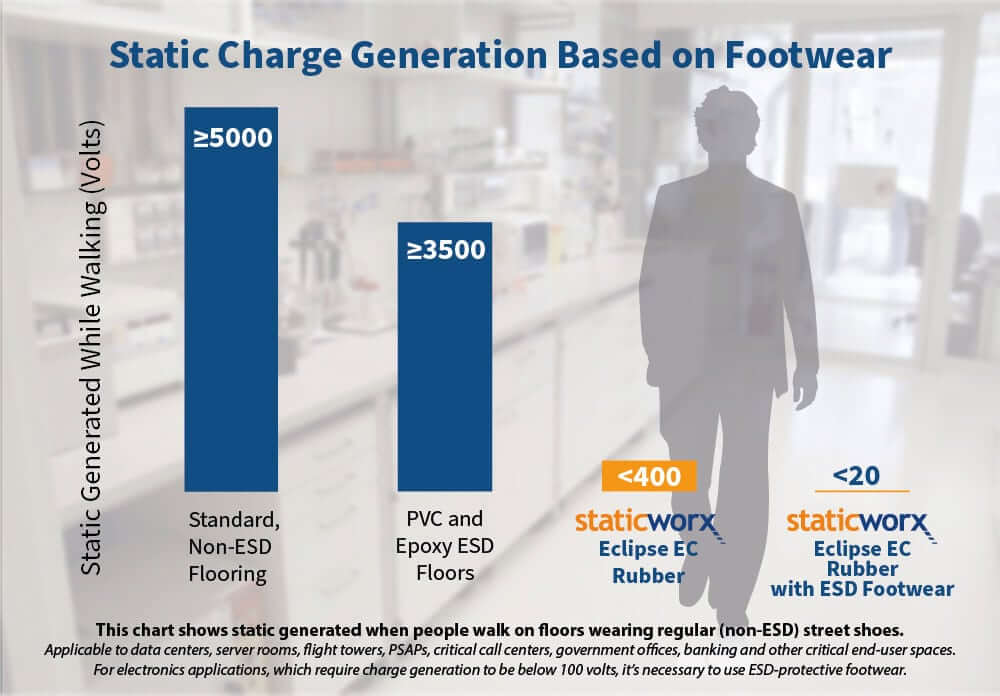
Static generation with ESD footwear
Static generation on regular street shoes
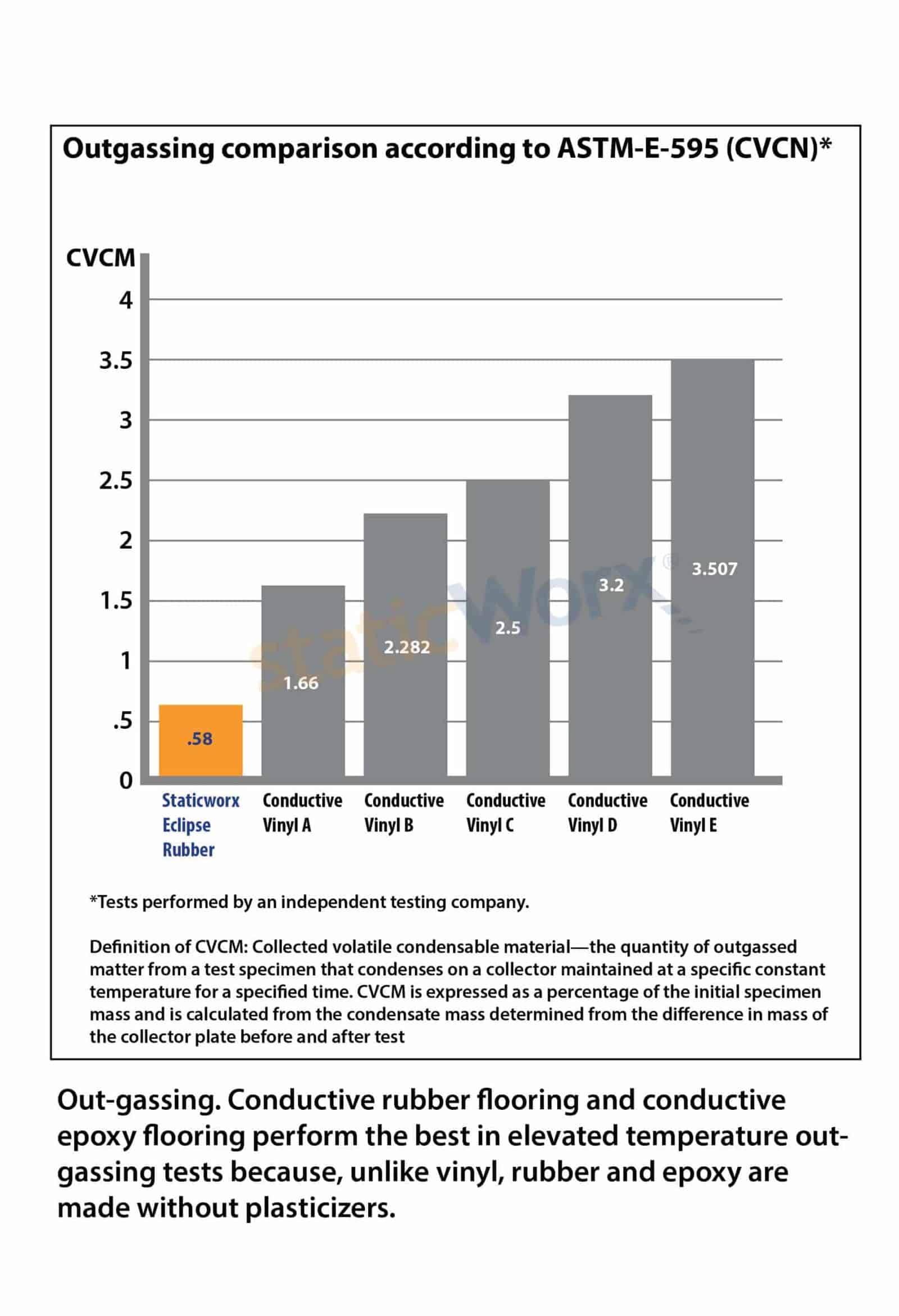
Minimal outgassing measured for EclipseEC rubber
How EclipseEC Rubber Works
EclipseEC rubber is produced by mixing carbon chips and other colored chips into the rubber material. Carbon is an inherently conductive or dissipative element. Randomly placed carbon chips enable static electricity to flow through the rubber to ground.
The black carbon chips in static-control rubber attract and route static electric charges. These pathways drain the charge through the tile, into conductive adhesive, which transport charges to an earth ground.

What makes Eclipse Rubber good for the environment?
- No PVC
- No plasticizers
- No urethane
- No phthalates
- No halogens
- No chemicals or waxes needed for cleaning
Electrically conductive (EC) rubber flooring performs well in elevated temperature out-gassing tests because rubber is made without plasticizers.
CVCM stands for collected volatile condensable material – the quantity of outgassed matter from a test specimen that condenses on a collector maintained at a specific constant temperature for a specified time. CVCM is expressed as a percentage of the initial specimen mass and is calculated from the condensate mass determined from the difference in mass of the collector plate before and after.
Why does dirt collect, and what makes rubber different from PVC and other plastic flooring? Plastic flooring contains plasticizers, which are used to make plastic flexible. As plastic ages, plasticizers migrate out of the flooring, making it brittle and porous.
If this sounds unfamiliar, think about the smell of a new car. That smell is the odor of plasticizers. An old car doesn’t smell like a new car because the plasticizers in the seats, doors, and dashboard have all migrated into the air, and left behind a plastic surface that needs to be cleaned and waxed with products like Armor All®.
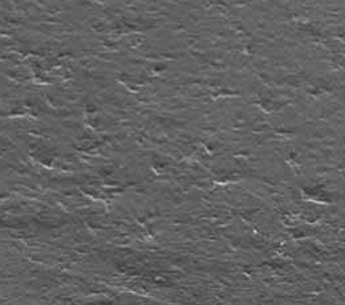
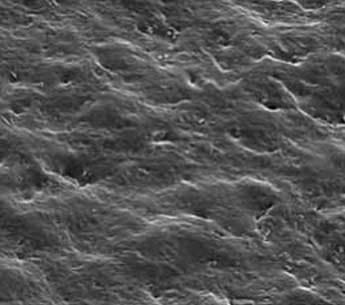
Unlike some floors that require regular stripping, waxing or polishes, EclipseEC rubber requires only washing with soap and water.
EclipseEC rubber meets ADA compliance for slip resistance and have sound-dampening and anti-fatigue properties.
Musculoskeletal disorders are the leading cause of workplace injuries. An independent test done by a Senior Clinical Research Consultant for measuring psi (pounds per square inch) on the metatarsus (between the ankle and toes on the foot) showed that the peak pressure on rubber was 2.8 kg/cm2 – better than the result on carpet for 3.5 kg/cm2.
This research furthered the Ground Reaction Force (GRF) research done by Dr. Redfern with The University of Pittsburgh Bioengineering Department. In Redfern’s research, several types of floor covering were tested for 50 cycles and the average GRF measured at the foot was calculated for each.
* Average GRF is calculated over one entire cycle of walking, from the time the heel first hits the floor to the foot lifting from the floor.
The force of a 216 lb. person’s foot impacting the floor is always greater than the 216 lb. weight of the person due to the acceleration of the foot during walking. Redfern found that the impact of a 216 lb. person on 2.5 mm linoleum was 240.99 pounds. The calculated impact on 2mm rubber would be only 166.52 pounds – which supports musculoskeletal health.
Electrostatic Discharge (ESD) affects two different environments:
Type 1 – Electronics manufacturing and component handling
Static generation must be < 100 volts
Used with ESD-protective footwear, EC rubber generates < 10 volts.
Type 2 – End-user spaces such as call centers, control rooms, data centers, server rooms, banking, and government offices (among others).
In these spaces, static generation must be < 400 volts.
EC rubber generates < 400 volts on regular (non ESD footwear).
In any worksite that manufactures, handles or uses sensitive electronic equipment, static discharge presents a risk to equipment and/or operations. While ESD flooring is designed to prevent static generation, ESD PVC vinyl and epoxy coatings do not work without the use of special static-protective footwear. In facilities where workers don’t wear ESD-protective footwear, PVC ESD flooring can actually generate static electricity.
Fault-tolerant, EclipseEC rubber is intrinsically anti-static. This means, the floor will inhibit static on persons wearing ordinary footwear. In spaces such as call centers, PSAPs, flight towers, banks and other end user spaces where ESD-protective footwear is not used, StaticWorx Eclipse rubber will generate under 400 volts of static electricity -well under the voltage that can damage or destroy electronic components.
With static-control footwear – e.g. in an electronics manufacturing or SMT facility – charge generation is under 10 volts, according to ESD STM 97.2 (tested with conductive shoes).
If you work in a critical call center, PSAP, telecom facility, flight tower, or bank* can you reasonably expect employees to wear ESD footwear or heel or toe straps?
If the answer is no, it’s wise to select a floor that inhibits static generation without the use of ESD-protective footwear.
With fault tolerant flooring:
People can wear the wrong shoes but still be protected.
Waxes, polishes, and sprays need not be applied.
Humidity, temperature, and traffic, which can affect static generation on some floors, are not part of the equation.
* Other end-user environments include government offices, media control rooms, server rooms, data centers, etc.
Which is worn in your facility?
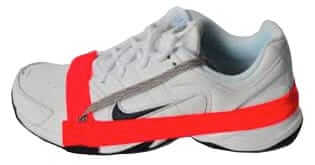
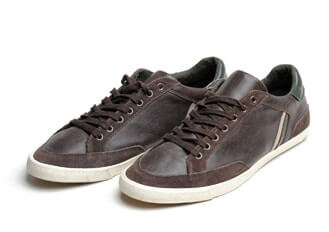
- Footwear: Will the shoes worn in the environment be standard street shoes (insulative) or specialty footwear (conductive)?
- Volts (kV): What is the allowable amount of human body charge?
- Static decay: On contact with floor, how quickly does the charge leave the body?
- OHMs: What is the floor’s measurable ability to conduct electricity?
EclipseEC electrically conductive rubber meets all the critical domestic and international industry standards, including:
- NFPA 99 (healthcare)
- ANSI/ESD S20/20, ANSI/ESD S97.1 (system resistance)
- IEC
- Conductive per ANSI/ESD STM 7.1
- ANSI/ESD 97.2 (body voltage generation)
- DOD 4145.26-M (munitions handling)
- MILSTD 1686
- NASA-grade, clean-room requirements
Our electrically condcutive rubber is Class-0 ESD-certified, ensuring maximum protection for your worksite.
The static-control performance of StaticWorx electrically conductive rubber is not only guaranteed – it’s warrantied for the life of your floor.

Features & Benefits
Why Choose Eclipse EC Rubber?
Superior Static Control
- ANSI/ESD S20.20
- Conductive:
< 1.0 x 10E6 ohms - Static generation:
< 20 volts w/ESD footwear
- Conductive:
- S97.2 (low static generating)
- Class-0 Electronics
- DOD 4145.26-M
- NASA-grade clean-room requirements
- NFPA Healthcare
Low Total Cost of Ownership
- Easy/Inexpensive to Maintain
- Hides wear and tear—the main cause of carpet tile replacement.
- No stripping, waxing or polishes
- Requires only soap and water
- Tight surface doesn’t collect dirt
- Durable
Fault Tolerant
- Intrinsically antistatic
- Low static generating
- No ESD footwear requirement in end-user spaces
- No waxes, polishes or sprays
- Independent of humidity, temperature, traffic
Ergonomic
- Excellent slip resistance
- Sound dampening
- Anti-fatigue
Sustainable
- PVC-free
- Red List-free
- No plasticizers
- No Phthalates
- No halogens
- No chemicals or waxes for cleaning
- Minimal outgassing
Award Winning
- Class-0 Certified
- Buildings Magazine – top money saving product

Ideal Applications
Applications for Eclipse EC Rubber


Available Styles
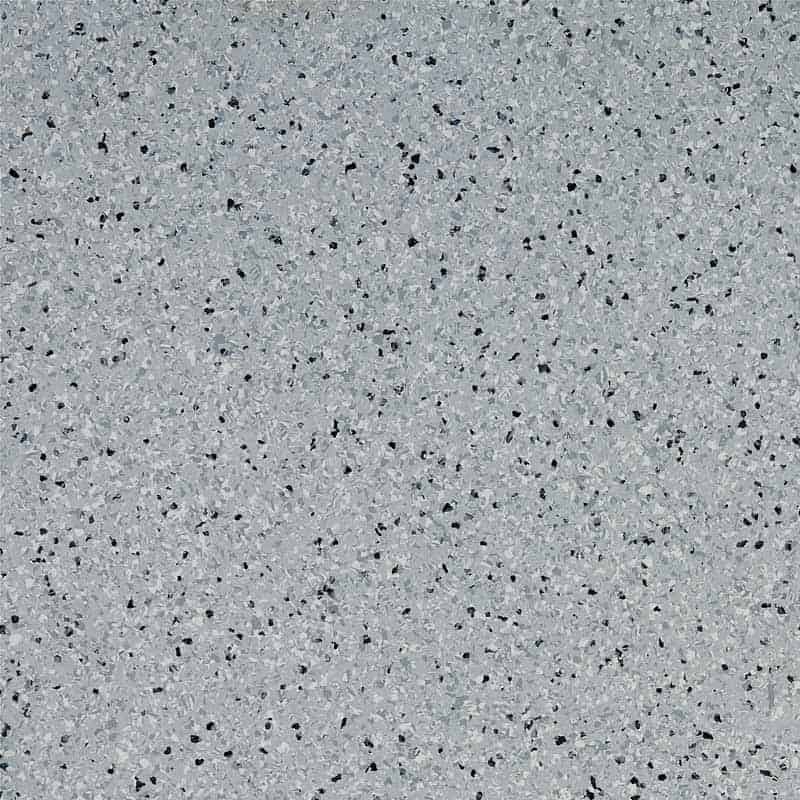
Presto
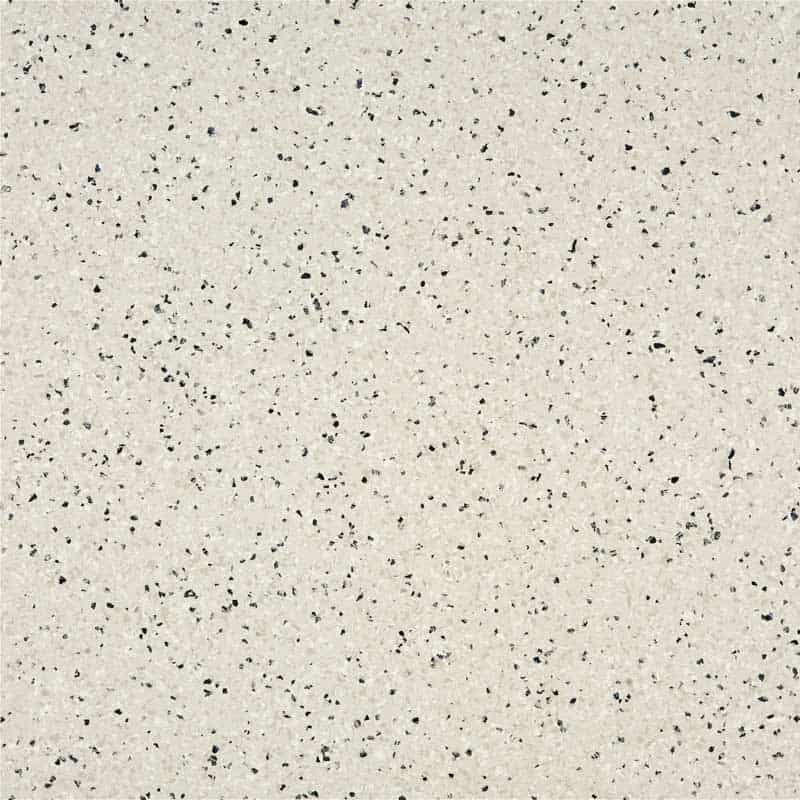
Largo

Cantata
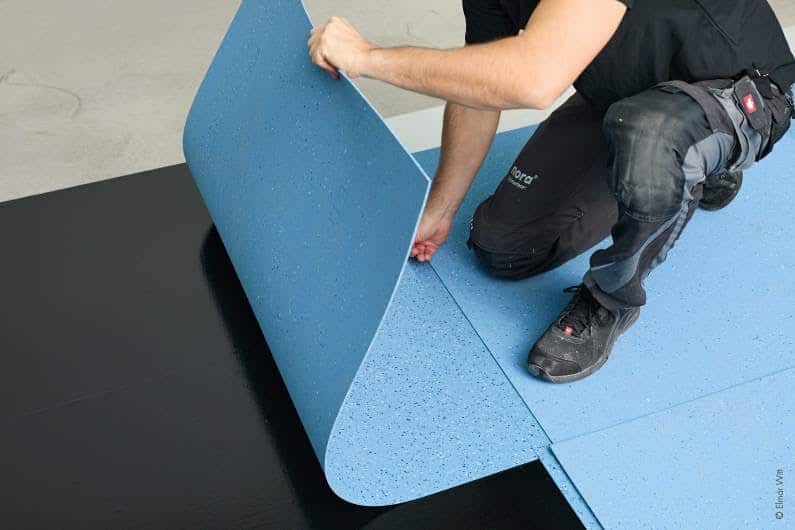
RI 2.0 Dry Adhesive – StaticWorx RapidInstall System
Used with EclipseEC rubber, RI 2.0 dry conductive adhesive tape is an ideal adhesive for ESD flooring installations in labs and cleanrooms. Eclipse tiles and roll goods work as both a floor and cove base. Seams can be welded for a seamless installation, creating a dirt and particle-free lab/cleanroom environment. Because there are no wet or messy adhesives to deal with, RI 2.0 conductive adhesive can be installed 24/7 with minimal downtime. And the new floor can be used or walked on immediately after installation, minimizing costly production losses.
Benefits
- Ideal for labs and cleanrooms
- Seamless installation
- Dirt & particle free
- No messy adhesives
- Rapid 24/7 installation
- Can be installed in occupied spaces
- Minimal downtime
- Can be used immediately
- Eclipse rubber is PVC free
- No outgassing
What Clients are Saying

…the floor is awesome! It’s very durable and it’s very convenient that we can lift tiles up to remove debris from underneath, and even replace tiles if they are damaged. So from a functional perspective, this is the best floor for our manufacturing operation.
You would never know it was ESD, WHICH IS AMAZING! Your product rocks and I’m so glad we were able to find an attractive solution that didn’t leave us with some run-of-the-mill ugly disaster in the middle of our workspaces!
Your product is impervious to most/all conditions. It’s impressive. Happy to be working with StaticWorx.
Product Specifications
Eclipse EC Rubber Technical Information & Support
StaticWorx EC Rubber Specifications
- Construction: Two-layer, vulcanized conductive rubber with high quality natural and industrial rubber components.
- Thickness: 2mm
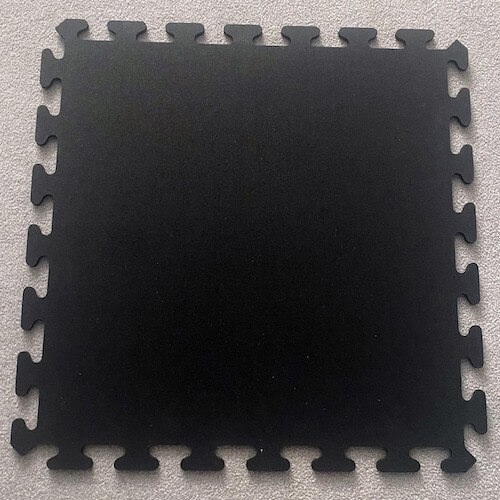
- Size: 24″ x 24″ tile and 4′ x 40′ rolls
- Static Generation Comparison:
< 10 V per STM97.2 with ESD Footwear.
< 400 V per STM97.2 with standard street shoes. - Abrasion Resistance: Taber abrasion test, ASTM D 3389, H-18 wheel, 500 gram load, 1000 cycles, gram weight loss not greater than 0.70
- System Resistance: < 1.0 x 10E6
- Carbon Neutrality: EclipseEC is carbon neutral through the lifecycle of the material.


Explore Other Rubber Flooring
Eclipse EC RubberFrequently Asked Questions
What environments is EclipseEC rubber flooring best suited for?
EclipseEC is ideal for electronics manufacturing, cleanrooms, labs, hospitals, data centers, server rooms, critical call centers, flight towers, banks, and universities. It works in both high-traffic and 24/7 operations.
Is EclipseEC rubber truly fault-tolerant?
Yes. EclipseEC is intrinsically antistatic, meaning it inhibits static generation even if workers wear regular shoes, without the need for ESD footwear, waxes, or polishes.
How effective is EclipseEC at controlling static?
With ESD footwear, static generation is under 10 volts. With standard street shoes, static is under 400 volts—well below levels that could damage sensitive electronics.
What sizes and thicknesses are available?
EclipseEC is available in 2 mm thickness, in 24″ x 24″ tiles or 4′ x 40′ rolls.
How is EclipseEC maintained?
EclipseEC rubber is easy to maintain—no stripping, waxing, or special cleaners are needed. Regular soap and water are sufficient.
Is EclipseEC safe and environmentally friendly?
Yes. It is PVC-free, phthalate-free, contains no plasticizers, urethane, or halogens, and shows minimal outgassing in ASTM E-595 tests.
Does EclipseEC come with a warranty?
Yes. EclipseEC has a lifetime warranty on conductivity and static-control performance.
Can EclipseEC be installed in occupied spaces?
Absolutely. EclipseEC can be installed 24/7 using the RI 2.0 dry adhesive system, with minimal downtime and immediate usability.
What certifications and standards does EclipseEC meet?
EclipseEC meets Class-0 ESD certification, ANSI/ESD S20.20, ANSI/ESD STM 7.1, ANSI/ESD STM 97.2, NFPA 99 (healthcare), DOD 4145.26-M, MIL-STD 1686, NASA cleanroom requirements, and IEC standards.

Ready to Eliminate Static Risk?
When your facility’s protection depends on getting it right the first time, choose
the company with an unmatched track record. We’re standing by to assist you.