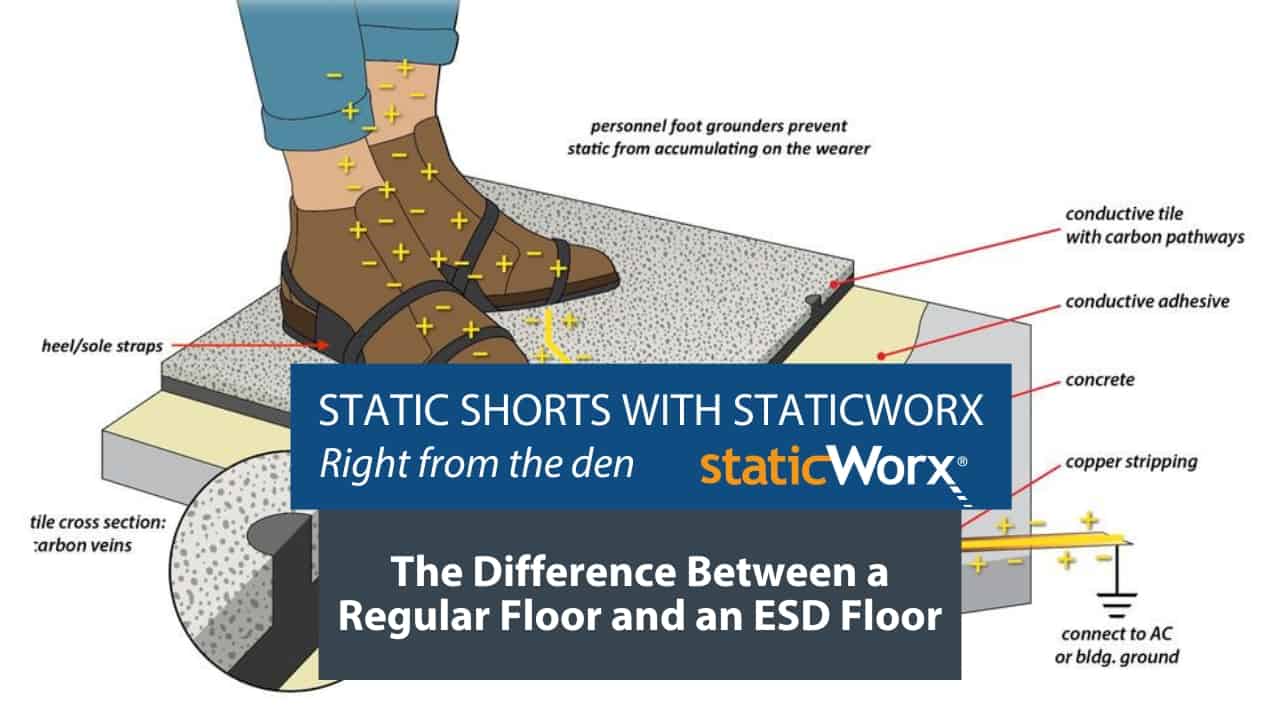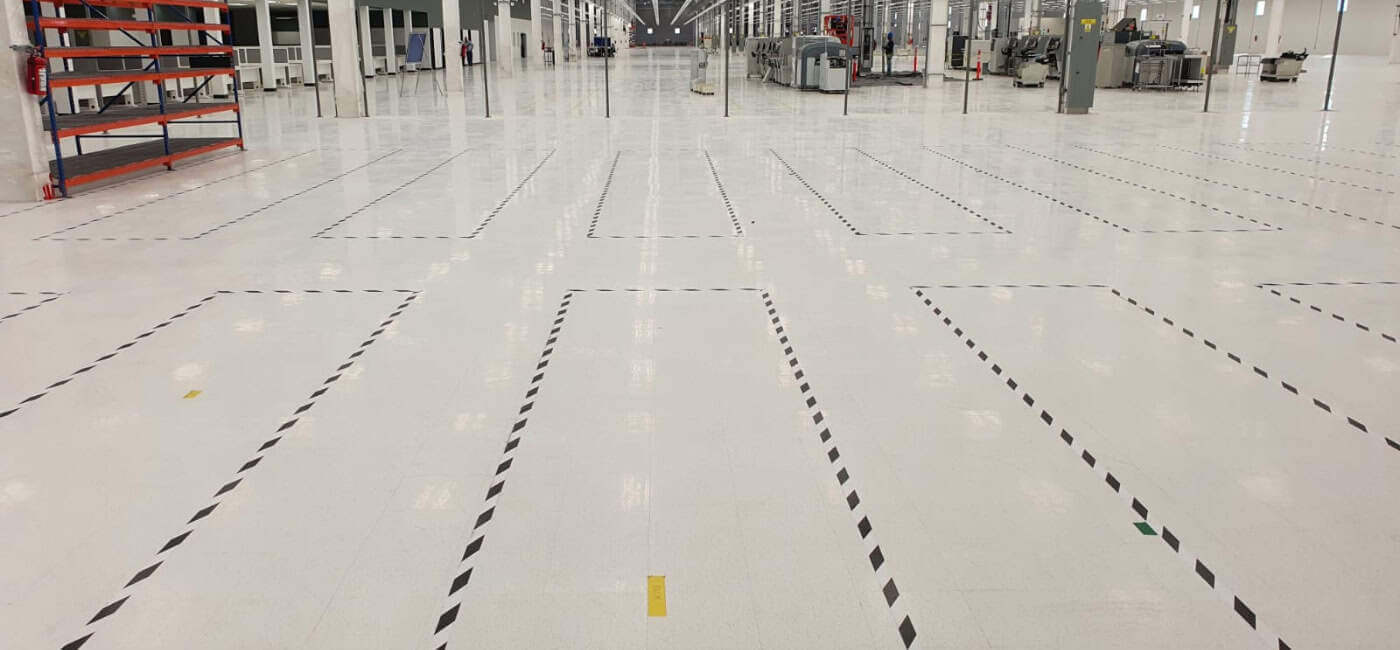
The Problem: Every application for ESD flooring is different. Without detailed technical knowledge, architects can easily specify the wrong static-control floor.
The Impact: The wrong floor will perform poorly and could leave sensitive electronics without adequate static protection.
The Answer: Serve your clients better by learning how to specify the right static-control floor for their application.
In our Lunch & Learn workshop, we’ll discuss:
- how static-control flooring works;
- why every application is different;
- key industry terms;
- industry standards and tests.
Technical background not required. Our hands-on CEU eliminates confusion by breaking down complex technical information into easily understood components.
Learn more or book your workshop here.
For help or advice about choosing an ESD floor, call us on 617-923-2000, email info@staticworx.com, or visit our Guide to ESD Flooring Selection.
Transcript
Antistatic Flooring – The Basics: Intro to Our Lunch & Learn

Antistatic Flooring – The Basics: Intro to Our Lunch & Learn
First time I walked into an architect’s office, I had a group of designers and architects in front of me and I started telling them all about static control and about 10 minutes into it, I noticed everyone’s eyes were glazed over, and I said, “What’s going on here? Am I telling you things you already know and it’s boring?” And they said to me, “No. We don’t know why you need a static-control floor. We don’t know what kind of problems it causes and you’re assuming that we know all these things already and we’re ready for all these technical terms.”
As a result of that, I looked at the situation from the perspective that when I walk into an office, I need to make the assumption that I’m there to explain what the problem is, why it’s a problem and possibly how to solve the problem. But like anything else, you can’t solve a problem until you know what that problem is.
So what we do when we give a CEU is we start out assuming everyone in the room has never heard of static control before. We talk about why micro electronic components are sensitive, how static affects people in their ordinary lives. We talk about what kinds of flooring materials work for certain applications. We explain to the people in the room why you can’t use the same floor for every application because it’s like everything else, one size doesn’t fit all. And the last thing we do is we explain to our audience what the standards are, what the test methods are, and why it’s important for them to rely on universal consensus standards and not literature for various manufacturers.