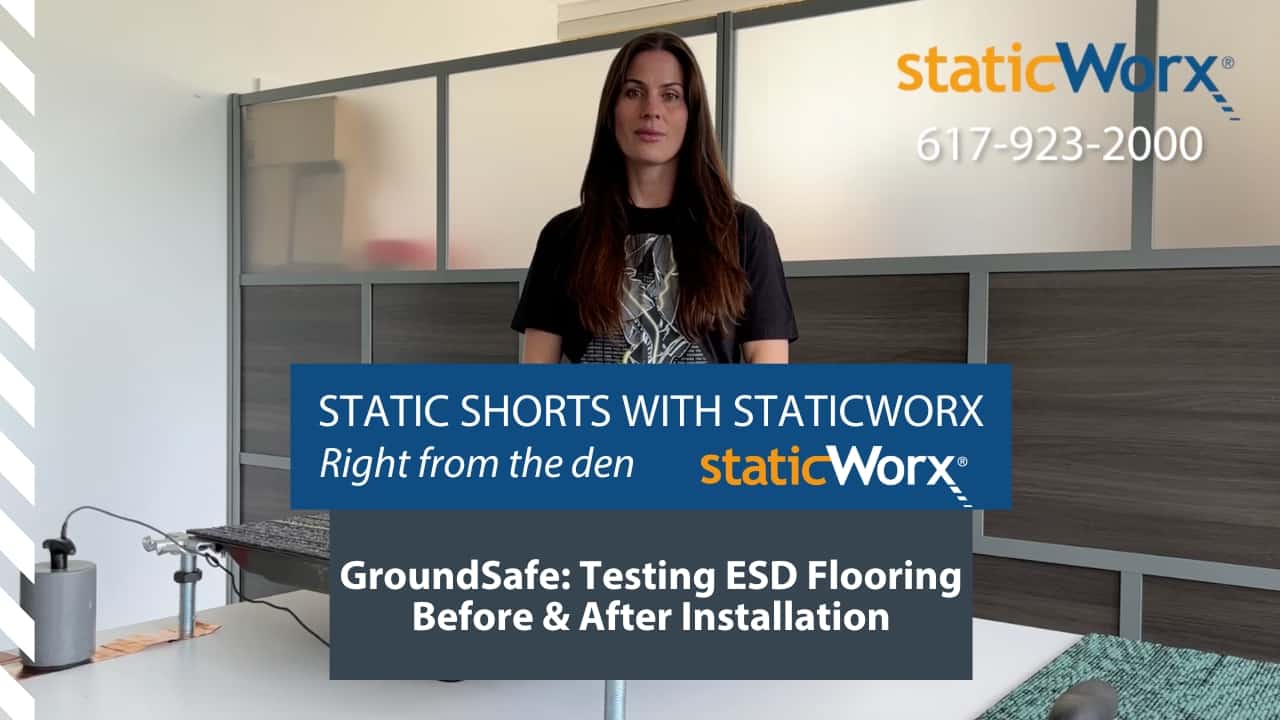
How do you know that the anti-static (ESD) floor you specified is the floor that was installed? StaticWorx offers a GroundSafe® certification program that involves testing the floor for resistance (ohms) before and after installation, then certifying compliance. In this short video, Kimberly Petraccaro – Account Executive, Corporate Sales – shows how quick and easy it easy to perform the test.
We get a lot of calls from architects and designers who may not be that familiar with anti-static flooring. And one of their main concerns is, “How do I know that what I had in my specification is what actually gets installed?” That is a great question.
Transcript
GroundSafe®: Testing ESD Flooring Before & After Installation

GroundSafe®: Testing ESD Flooring Before & After Installation
Hi, I’m Kimberly Petraccaro, and I’m with StaticWorx.
We get a lot of calls from architects and designers who may not be that familiar with anti-static flooring. And one of their main concerns is, “How do I know that what I had in my specification is what actually gets installed?” That is a great question.
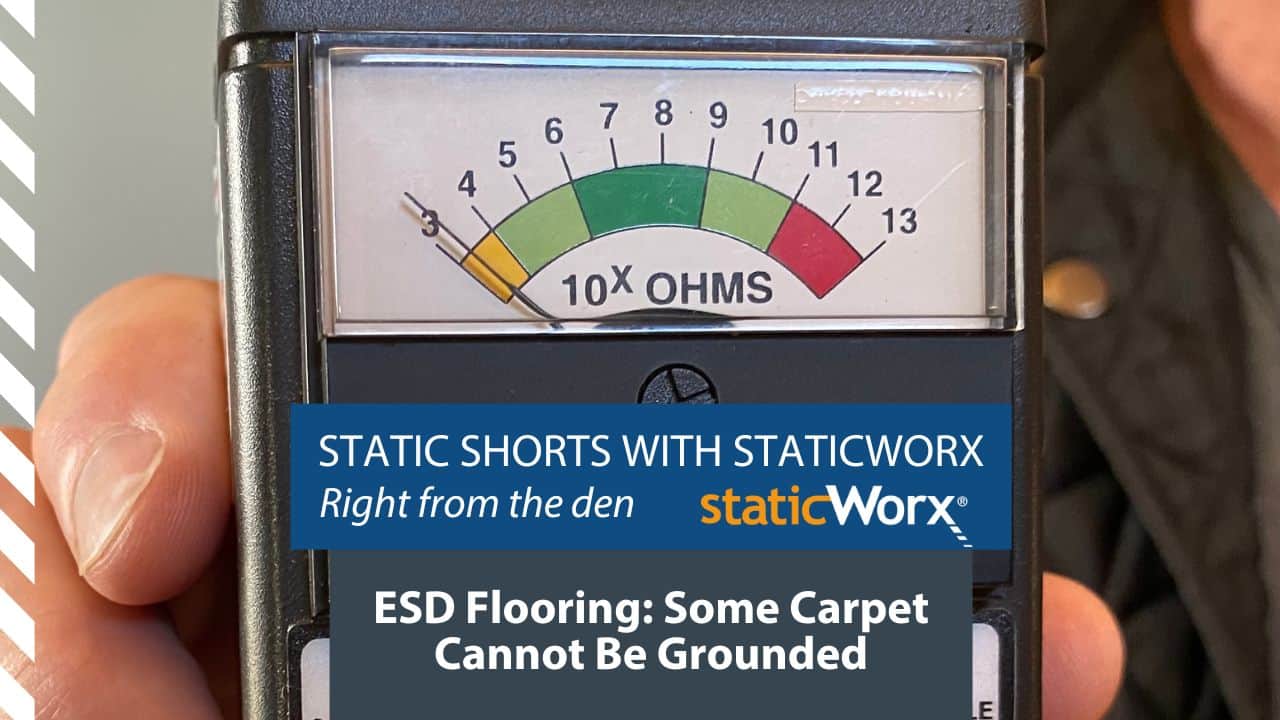
StaticWorx has a GroundSafe® certification program. We suggest that architects and designers include this testing requirement in their specifications. This GroundSafe® certification program involves testing the floor with a resistance meter before and after installation. StaticWorx helps facilitate this entire process. We usually will loan our resistance ohm meter to the contractor or to the end user if they want to do it, and we will walk them through testing the floor.
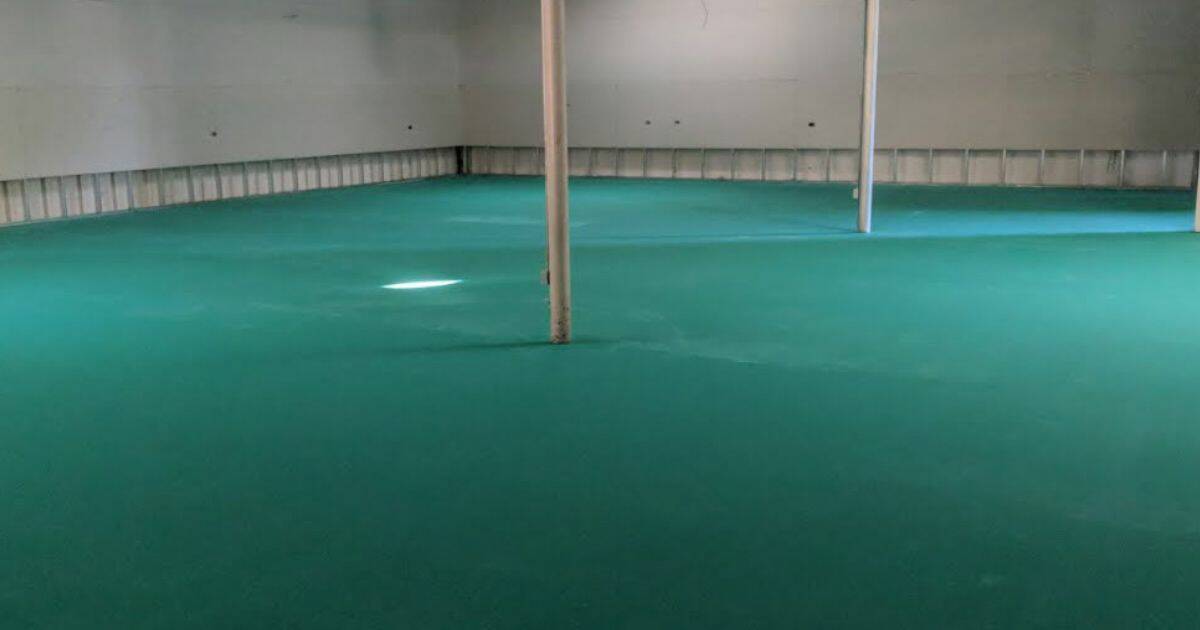
Don’t know how to use an ohm meter? No problem. All they need to know how to do is take one of these probes, place it onto the flooring they’re installing. In this case, this is antistatic carpet. They need to be able to take the other probe and put it on testing to ground. So you’re testing material to ground. Be able to press a button. Snap pictures of the test results. Send those photos to StaticWorx. And from there, StaticWorx analyzes those results. And in turn produces a certificate of compliance stating that the floor meets ANSI/ESD S20.20.
Now the architect knows that the correct material got installed according to their specifications. The installer knows that they purchased and installed the right material. And the end user knows that the material that got installed in their space is meeting the requirement that they were trying to meet.
For more information on this program, you can visit our website at staticworx.com or give us a call at 617-923-2000. Thank you.