Eclipse conductive (EC) rubber trumps other ESD resilient flooring options
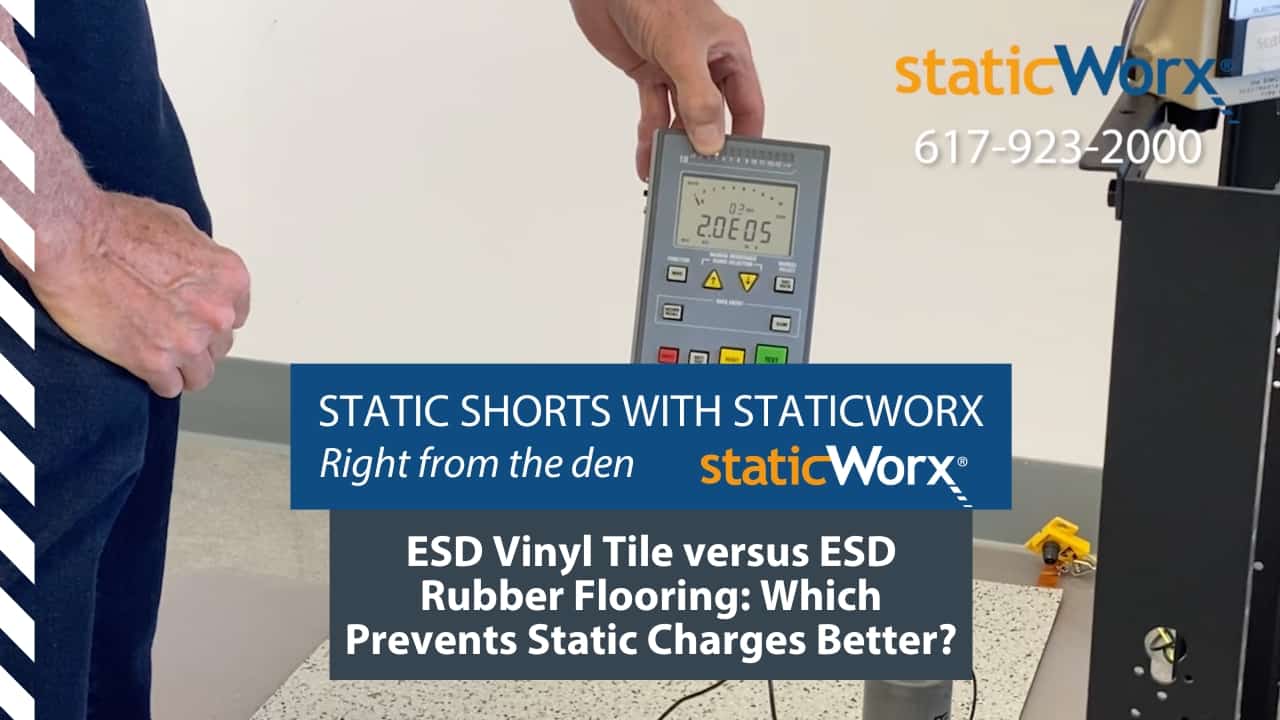
Most static-control specifications over-emphasize the descriptors “conductive” and “static dissipative.” The terms are simply that: descriptors – and should not be used to specify ESD flooring (also known as antistatic flooring or static-control flooring). Flooring specifications should be based on measured resistance and charge generation, as indicated by ANSI/ESD S20.20 and tested according to STM 7.1 (resistance) and 97.2 (charge generation).
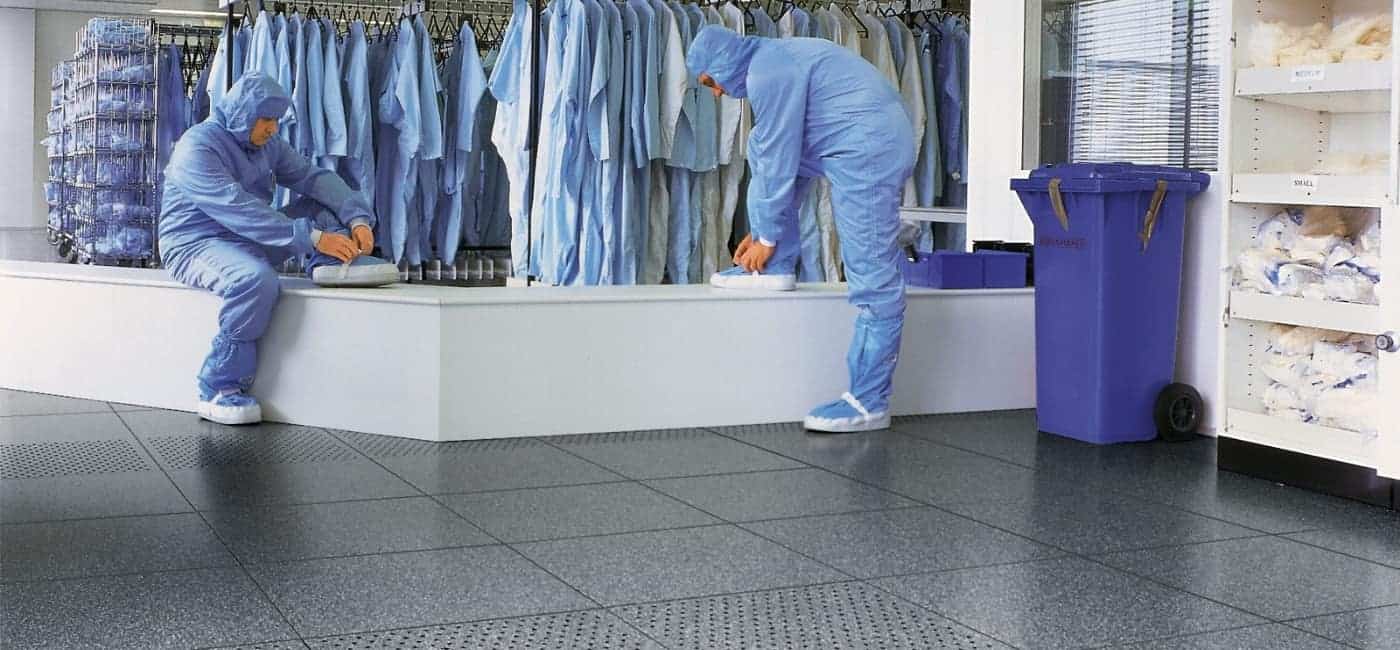
How the floor performs with whatever types of footwear will be worn in the space – i.e., whether or not performance relies on the use of special ESD footwear— should also be taken into account. Vinyl flooring, for instance, cannot prevent static unless everyone in the space wears ESD footwear (also known as antistatic or static-control footwear). Rubber, on the other hand, is inherently anti-static, meaning ESD rubber will inhibit static regardless of the footwear used in the space.
Here are 5 reasons to consider using of EC rubber over vinyl, particularly SD vinyl tiles.
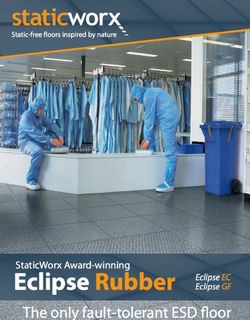
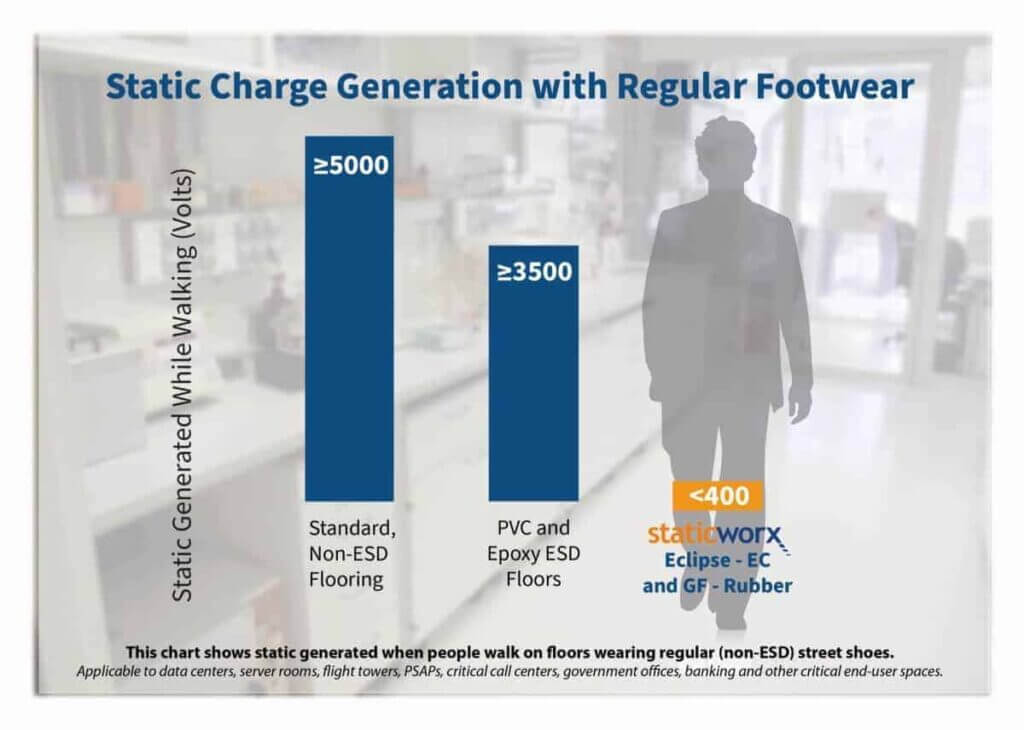
This is particularly important in end-user spaces like PSAPs, FAA flight towers, banks, and other mission critical spaces, because in these environments people do not wear special static free shoes; they wear ordinary footwear.
While SD and EC vinyl and epoxy work well when in combination with static control footwear, they actually generate static on ordinary footwear. If people in mission-critical spaces don’t wear special footwear, why specify a floor that won’t prevent static under the conditions it needs to work?
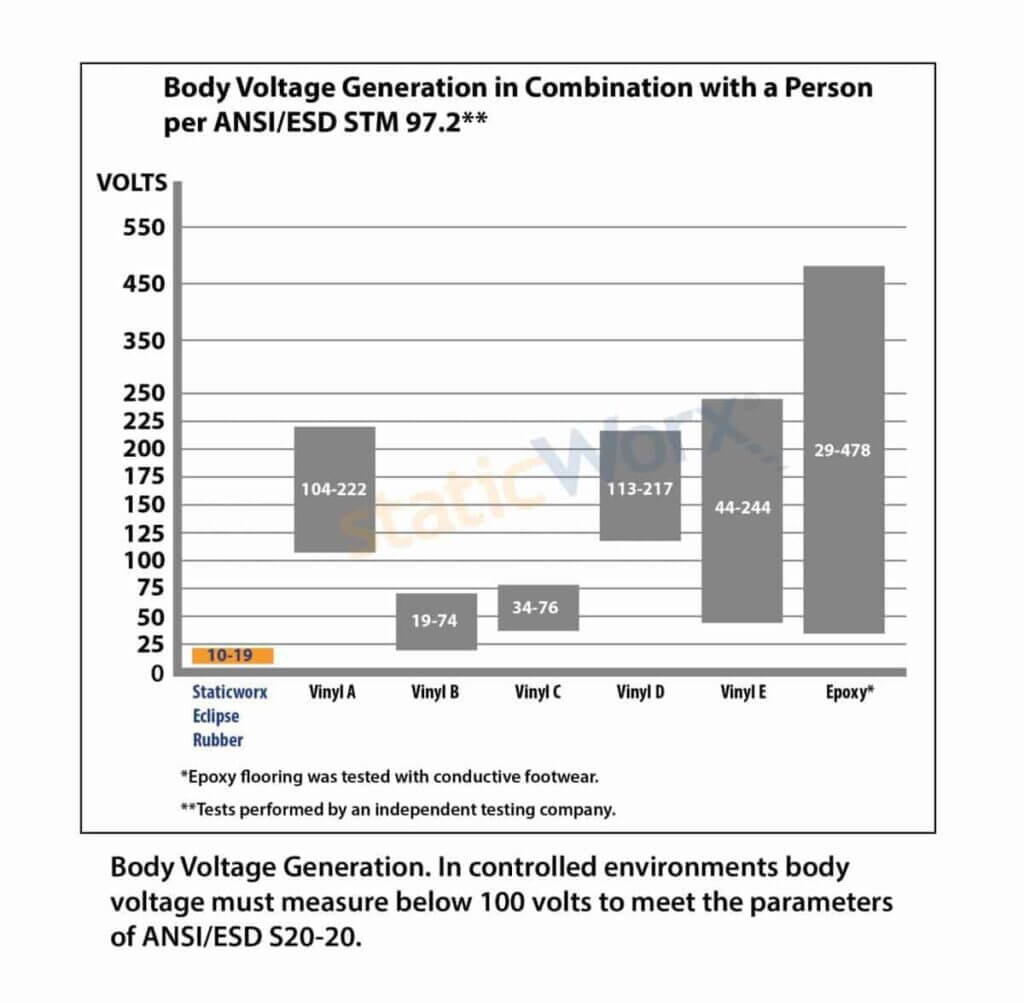
At one time, resistance was the cornerstone of static control programs. Today, floors are qualified based on a combination of resistance and charge generation measured on people wearing all types of footwear to be used in the space.
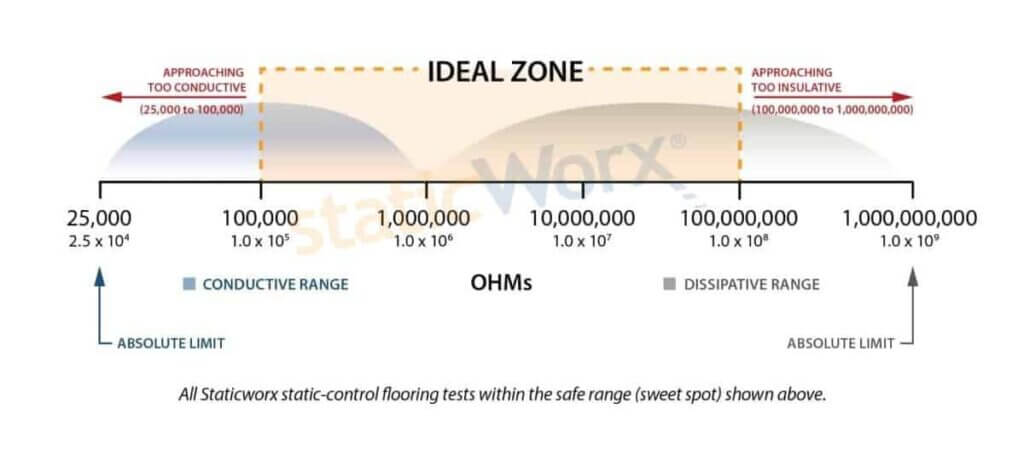
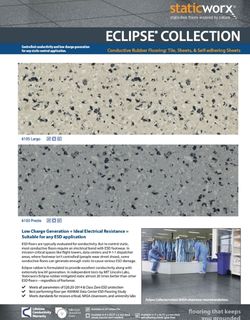
With a typical resistance of 1.5 X 10 E5, the grounding properties of Eclipse EC rubber fall into the resistance sweet spot – a resistance range that meets standards for any electronics or explosives handling application. At 1.5 x 10E5, the floor drains charges at a controlled rate without being overly conductive.
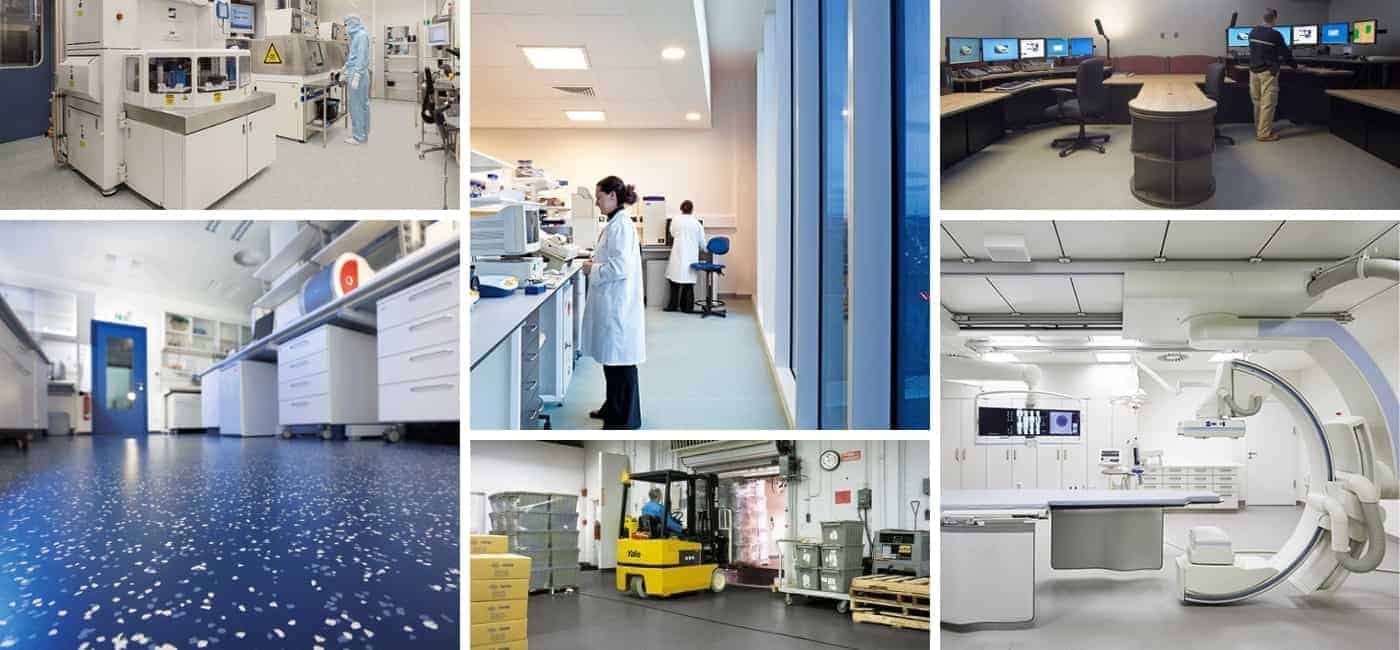
At 1.5 x 10E5, Eclipse is an ideal option for stringent applications like Class-0 ESD-sensitive device handling, as well as electronics manufacturing and handling areas (EPAs), cleanrooms and labs.
Eclipse rubber is NASA-approved. It is an extreme low-generating ESD flooring material, with no outgassing. Can be installed as sheet or tile in operational spaces with no downtime