What is the difference between dissipative and conductive?
Think of it this way: static dissipative is to parachute as conductive is to free-fall.

How do I know if the carpet or floor is conductive or dissipative?
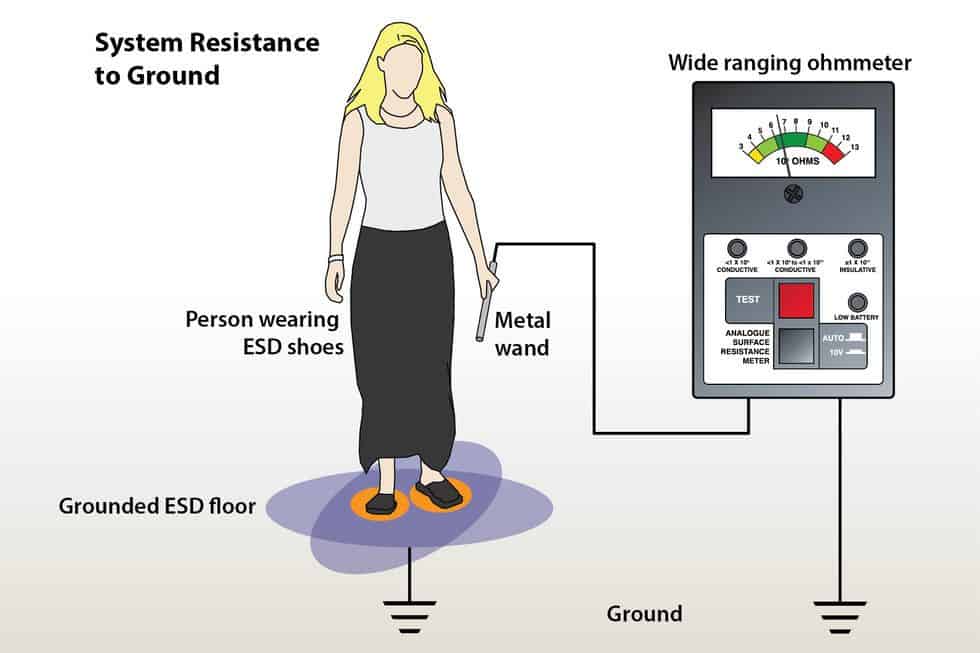
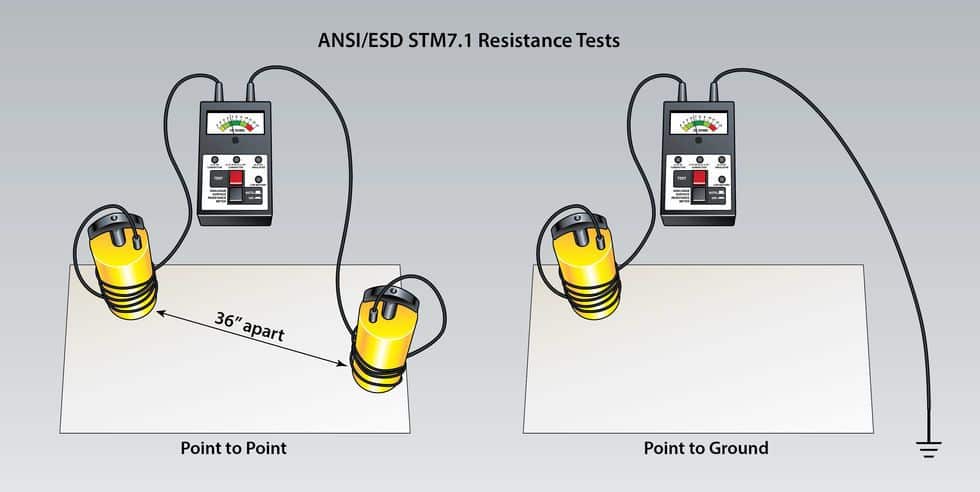
A dissipative floor delivers electricity to ground at a controlled but effective rate – like a soft landing. A floor that’s too conductive moves electricity with very little resistance – like a hard landing. Conductive carpet moves electricity too fast to meet electrical safety recommendations and resistance standards for computer rooms, call centers and other spaces where people might accidentally make contact with electricity.
How do I know if a material is conductive or dissipative? Follow the standards:
Conductive: > 1.0 x 10E6 (below 1 million) ohms
Dissipative: 1.0 x 10E6 – 1.0 x 10E9 (1 million to 1 billion) ohms
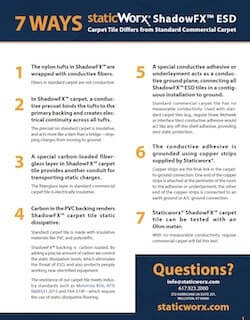
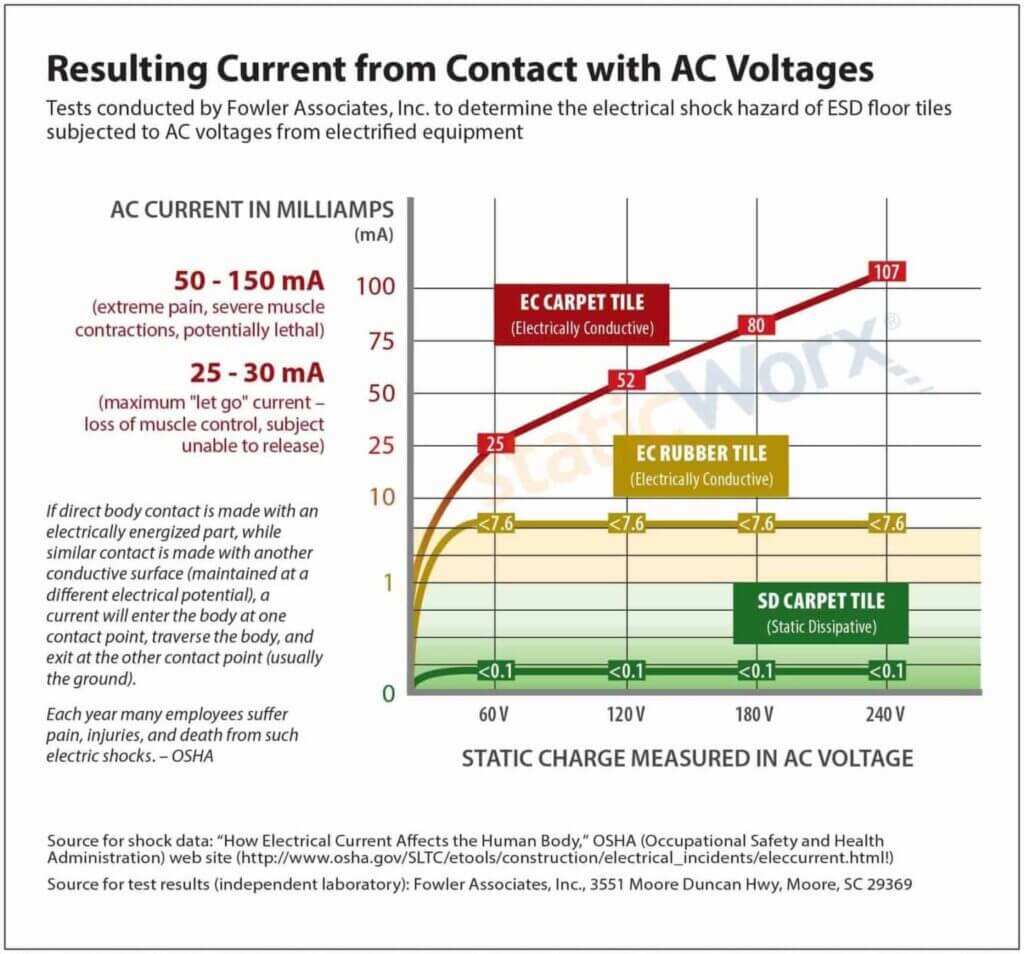
Electrical testing by an independent lab shows that conductive carpet allows more than 100 times more amps of electricity than static-dissipative carpet – even though both types of carpet prevent static problems equally – regardless of application. The same lab found that conductive Carpet carries dangerous electrical currents over 4 times the Lethal limit recognized by OSHA.
What do the standards say?
Since 2005, international standards organizations and grounding guideline documents have required ESD flooring to measure at a minimum electrical resistance of 1,000,000 ohms (1.0 x 10E6) in end-user environments where electrified equipment is in use.
Some conductive carpet products measure as low as 2.5 x 10E4 (25 thousand) ohms or lower – 40 times more conductive than recommended safety standards.
FAA-019f, Section 4.1.3.3.2, for instance, contains a safety warning saying “conductive materials shall not be used for floor mats, carpeting or other flooring where personnel may be in contact with energized electrical or electronic equipment.” ATIS 0600321 and Motorola R56 also prohibit the use of conductive flooring in data centers, telecom applications, 9-1-1 dispatch operations, and other government and end-user spaces.
How do I recognize 1,000,000 ohms in a standard?
There are several ways to say or write one million ohms. They all mean the same thing:
- 1 million
- 1 megohm
- 1,000,000
- 1.0 x 10 E6
- 106 (or 1.0 x 10⁶)
Why is it important to use static-dissipative flooring in end-user spaces?
Static-control carpet—also known as antistatic carpet or ESD carpet—is designed to dissipate static safely to ground. A properly designed ESD floor moves electricity at a controlled rate. The more conductive a material is – the less resistance it has against the flow of electricity. When electricity moves too fast across a floor there is the potential to create an unsafe electrical environment.
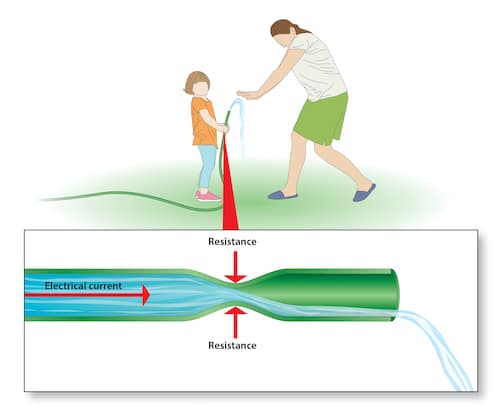
Think of standing water. From an early age we were all taught never to go near electricity if a floor is wet. That advice is pretty straightforward and easy to follow: if you’re standing in water – don’t touch electricity. But what would happen if the water were invisible? That is the scenario we would encounter if a carpet were too conductive.
Conductive carpet looks just like regular carpet. But like water – conductive carpet moves electricity very quickly and in some cases too quickly. The faster and easier electricity moves through a material, the more electrical current the material allows to pass through it. That’s the reason we design “electrical resistance” into the materials we use to make static-control carpet. Resistance restricts the flow of electrical current.
Are electrical standards the same for electronics manufacturing and end-user spaces?
No. In electronics manufacturing and handling applications, any floor that measures below 1.0 x 10E9 ohms is acceptable.
Why?
Because ANSI/ESD S20.20, the industry standard for the electronics manufacturing and handling industry, mandates daily electrical testing along with the use of special static-protective footwear. Like electrical resistance in a flooring material, the 1-meghom resistor in ESD footwear slows or resists the flow of electricity, protecting the wearer from a potential electrical shock.
In end-user spaces, where special ESD footwear is not required, people don’t have this protection. That’s why it’s important that the resistance is built into the flooring material.
Note: Site conditions such as dampness and high relative humidity can increase conductivity (or reduce electrical resistance). To be sure you meet the standard, you need flooring measuring well above the minimum resistance limit. This is the reason a floor should be tested and certified immediately after it is installed.
Learn more about ShadowFX and ESD Standards
Show me ESD standards by industry
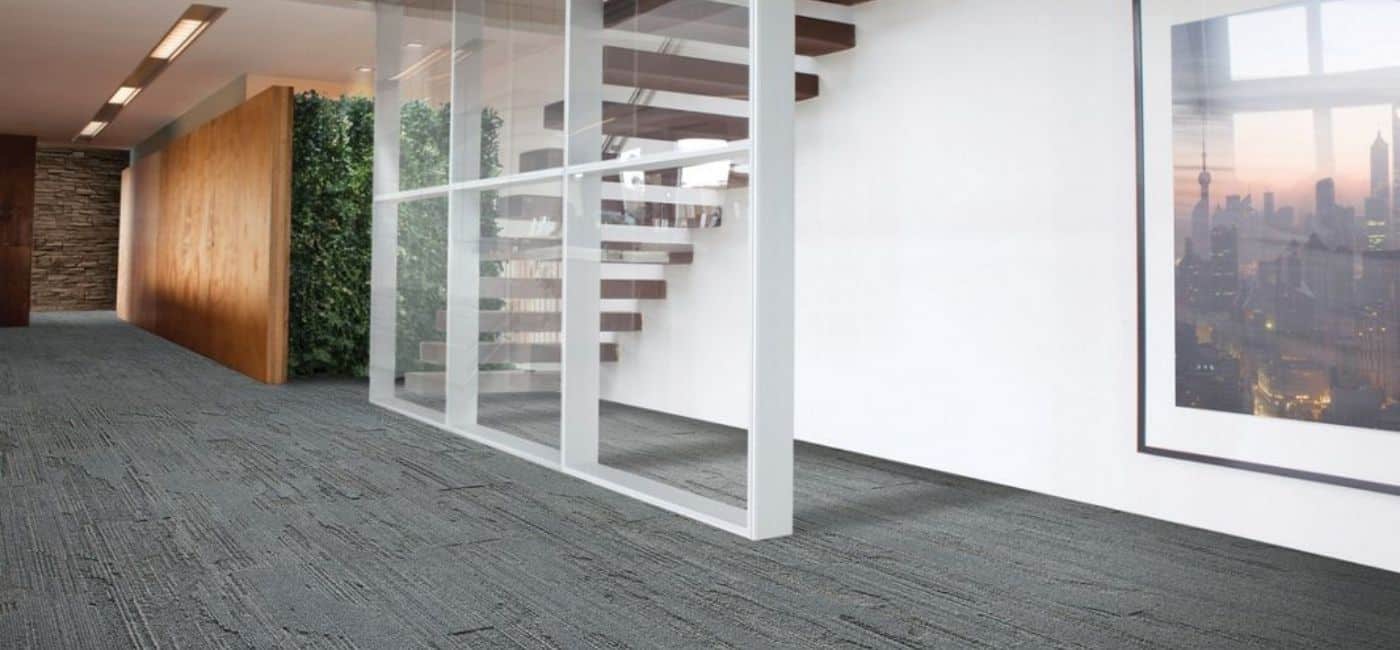
ShadowFX ESD carpet tile is made in a sustainable factory using recycled materials. 100% carbon neutral over the life of the carpet.