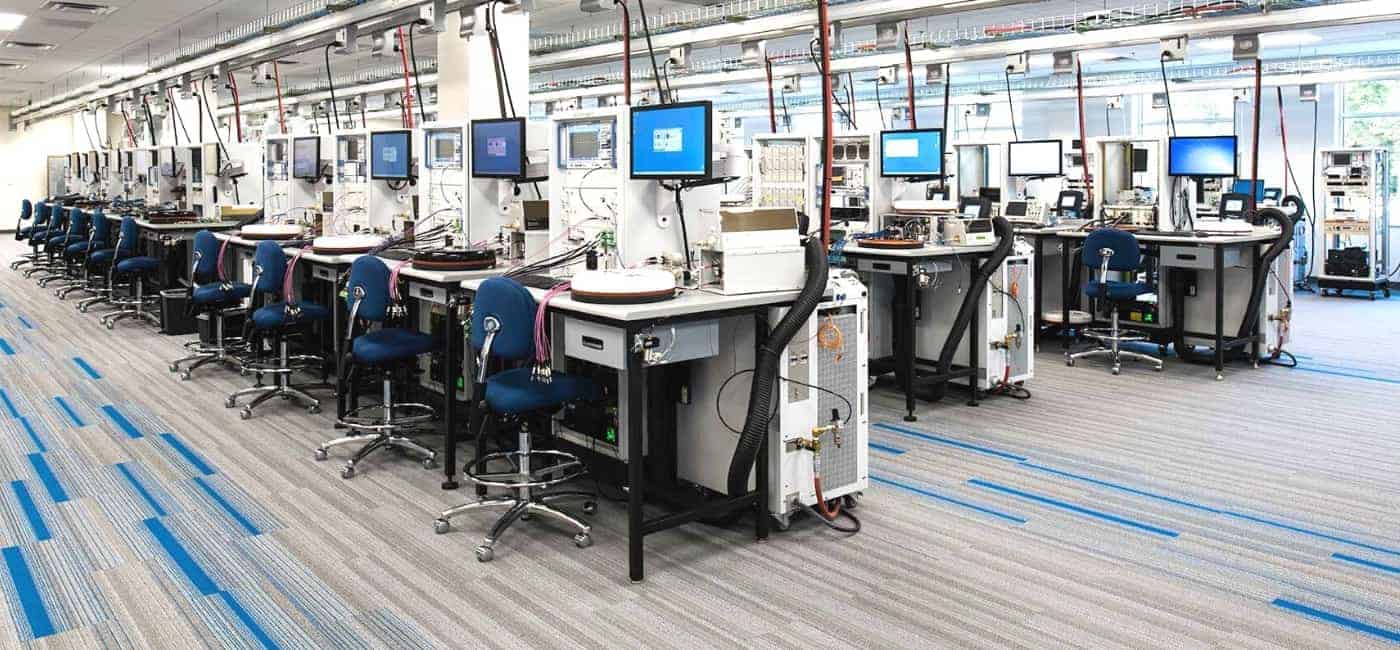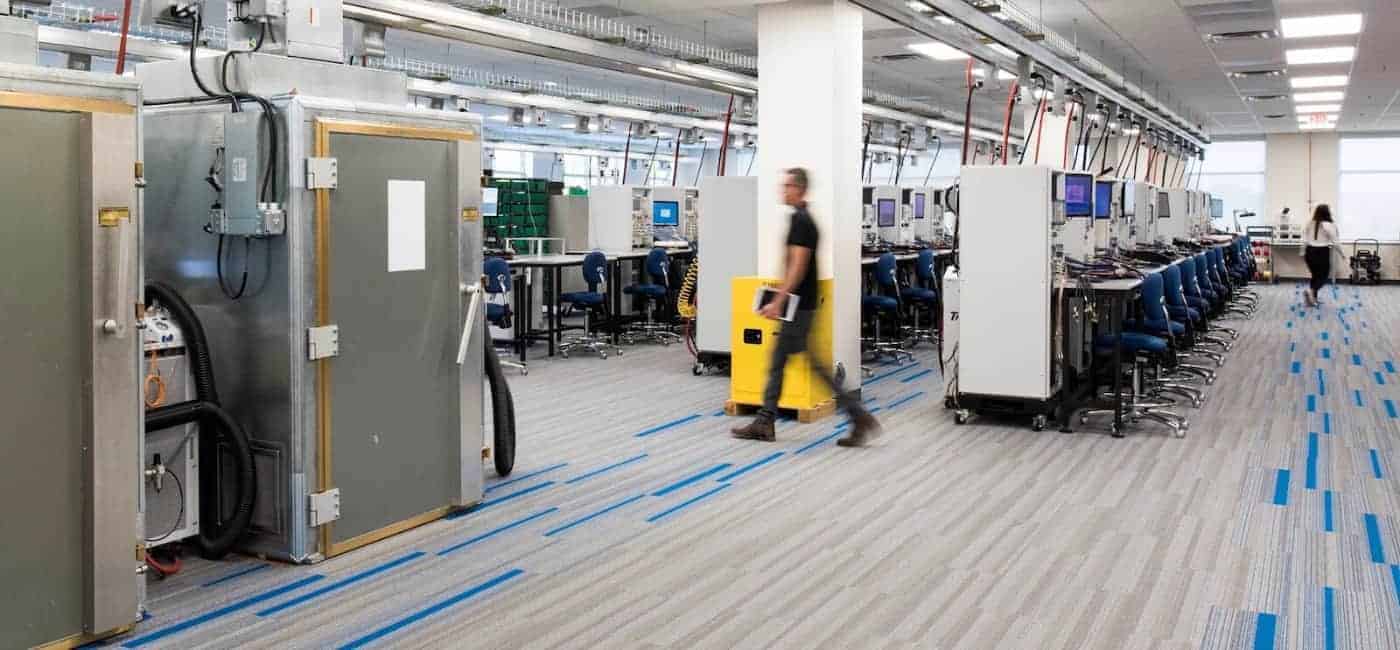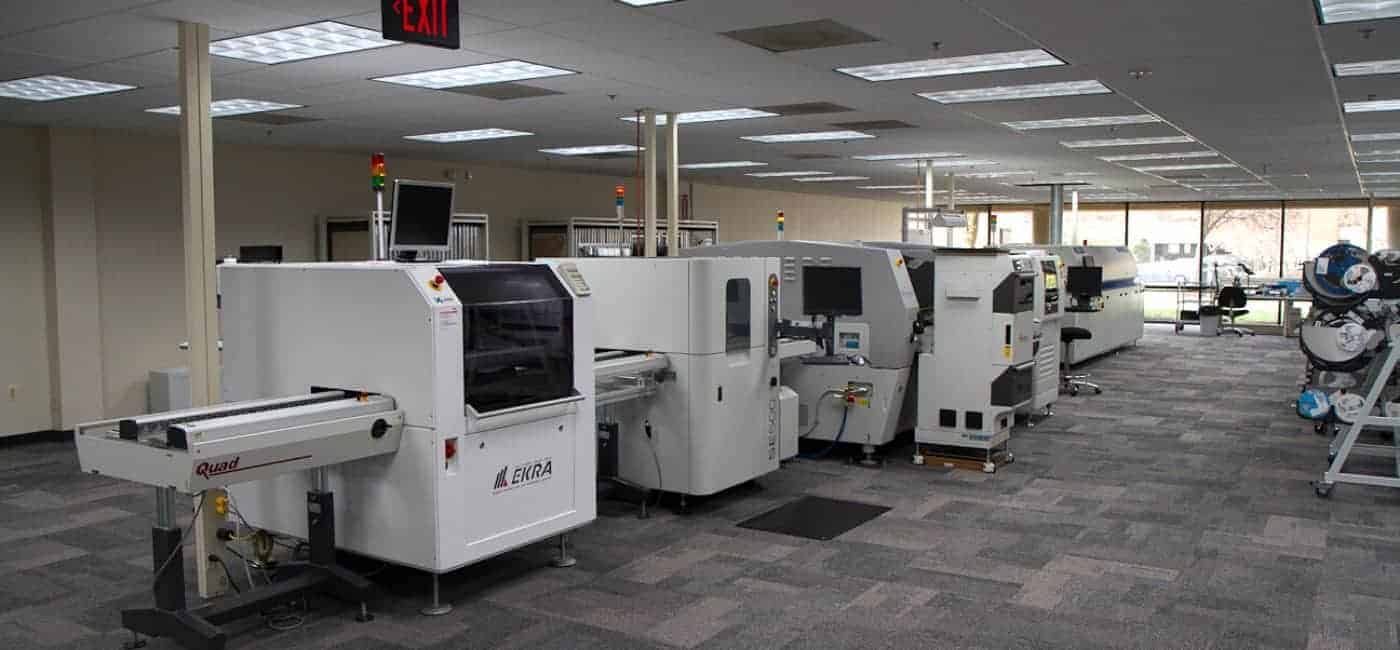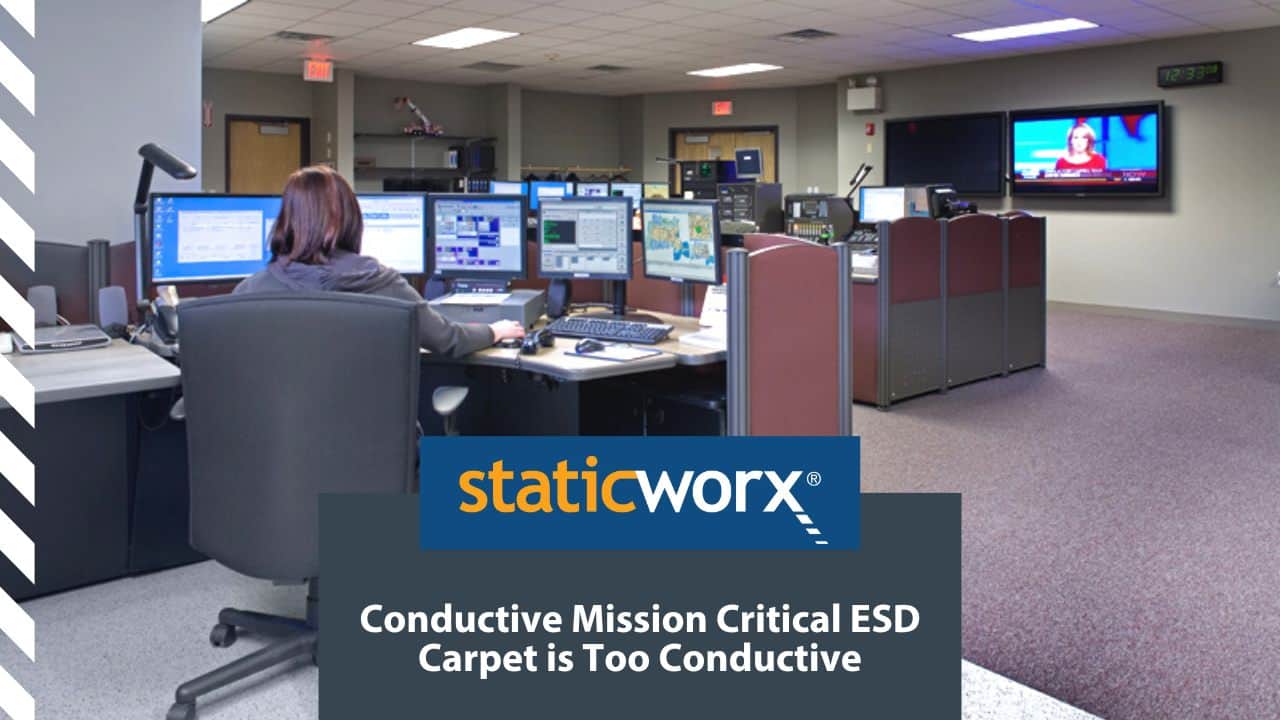
Some mission critical carpet tiles should not be used around computers and operational electrical equipment. Some carpet is too conductive to meet electrical grounding standards for use in schools, computer labs and communications areas like 9-1-1 call centers.
Visit our Learning Center to find out more about choosing ESD flooring for mission-critical spaces.
Click here to find out more about our GroundSafe loaner program.
For help or advice about choosing an ESD floor, call us on 617-923-2000, email info@staticworx.com, or visit our Guide to ESD Flooring Selection.
Transcript
Conductive Mission Critical ESD Carpet is Too Conductive

Conductive Mission Critical ESD Carpet is Too Conductive
My name is Dave Long and I’m the president of StaticWorx in Massachusetts.
36 years ago, I got involved in the static electricity industry and I’ve been doing it ever since. Right now when I look around at our industry, the biggest area I see lacking is in understanding testing and safety. You have to remember, when people put a floor in and ground it, one of the things they’re doing inadvertently is exposing the people in that room to a contact with ground, and if for some reason they come in contact with an electrical voltage while they’re grounded if they’re grounded without an adequate amount of resistance they could get electrocuted.
It’s actually a problem with the information chain. There are flooring manufacturers and there are flooring salespeople and unfortunately a lot of these sales organizations don’t have technical expertise. They have catalogs, they have lots of data sheets, they have information but they’re not educated enough to talk about electricity. In fact, when people ask us “how’s the flooring industry?” we just look at them and say “we don’t know, we’re in the static electricity and grounding industry.”
So what we’ve done is we’ve initiated a program called Groundsafe where after a floor is installed, we send people in to a facility with the right electronic equipment to test the floor to not only prove that it’s getting rid of the static charges but it’s also providing a safe path to ground so no one’s in danger.
Groundsafe came out of a very bad experience. I of all people should know better. I was in a facility a while back and I was asked to test a type of carpet that they put in the facility a few years ago and in the process of testing the grounding of their carpet I got a horrible electrical shock and as I spent more time in the facility I realized no one had ever done an audit after the flooring was installed so I did one, discovered where the problems were–in this particular case it involved a carpet that had highly conductive fibers that for whatever reason must have gotten out the manufacturer’s door without being tested. When I got back to the office, I tried to duplicate the problem. I couldn’t duplicate it and I came to realize that the problem was a combination of bad material and an installation site that wasn’t suitable for having any margin for error.
Up front we test all of our products while they’re being manufactured, we test them after they’re manufactured, we test them statistically before they ship out to a job, and after an installer puts one of our floors in one of our representatives goes in and actually tests the floor after it’s been put in in its installed condition. The reason we do that is all the components that go into the floor could be the right components but there’s some environmental condition, maybe it’s installed on concrete that has a high dew point, or there’s moisture in the room that alters the conductivity. Those are things you need to know.
Anyone involved with our organization has to be trained in how to use an ohmmeter and a static field meter because one of their jobs is not only to help the customer make the right choice but after the job is done, they’re responsible for going in and certifying that the floor is solving the static problem and it’s also providing a safe path to ground and once that information is taken, it’s sent back to corporate and we send out a certificate that lets the customer know that they’re not only grounded but they’re safe.