
What is Static Dissipative ESD Tile?
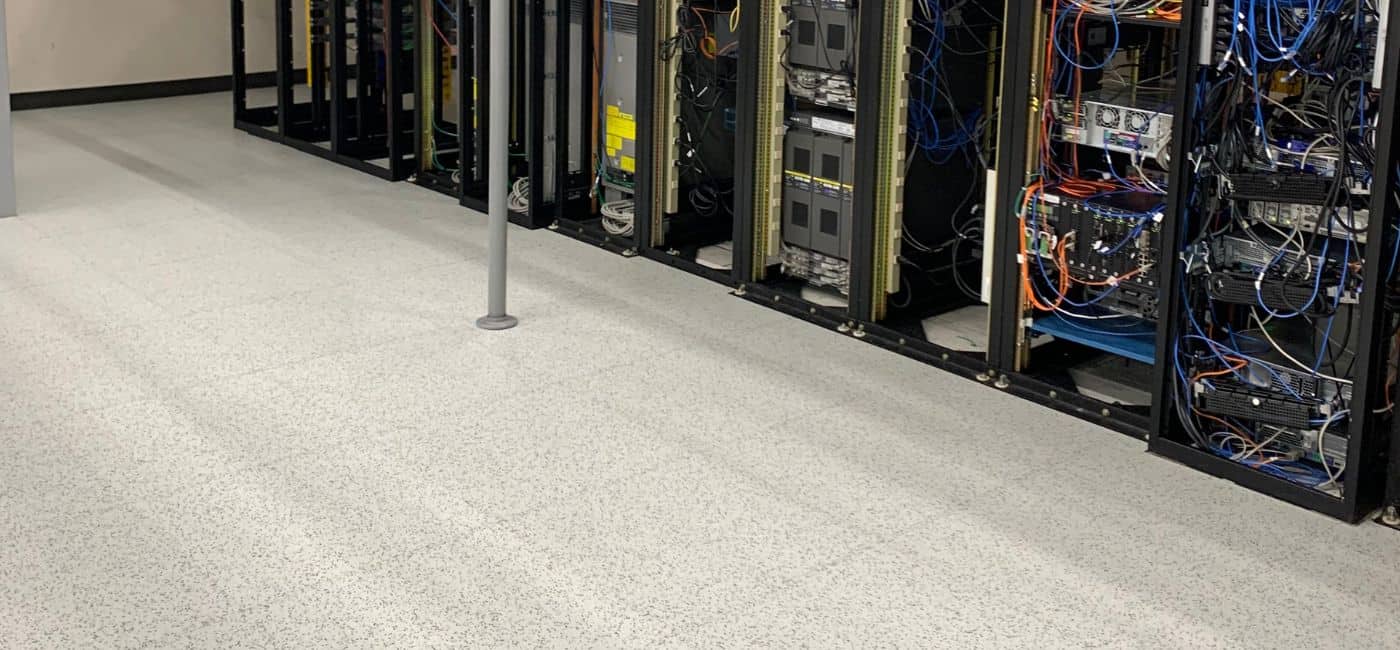
Static dissipative ESD tile is a type of flooring material used to prevent electrostatic discharge (ESD). Conductive elements in the tile draw static from shoe soles and transport charges to ground.
Static dissipative is a descriptive term referring to a material with electrical resistance measuring between 1.0 x 10E6 ohms and <1.0 x 10E9 ohms, using an ohmmeter. An ohmmeter measures the speed of electrical current flowing between two five-pound probes, across or through an ESD tile. The testing method is described in industry standard ANSI/ESD STM 7.1.
Why Choose Static Dissipative (SD) Vinyl Tile?
Controlled, Predictable Static Dissipation
Static dissipative vinyl tile safely slows the flow of static electricity—reducing the risk of uncontrolled ESD events while avoiding overly aggressive conductivity where it isn’t required.
Right Resistance for People-Centric Spaces
With electrical resistance between 1.0 × 10⁶ and <1.0 × 10⁹ ohms, SD flooring is ideal for environments where occupants typically do not wear ESD footwear, such as call centers, dispatch rooms, and financial institutions.
Standards-Aligned Specification Confidence
Static dissipative vinyl tile supports compliance with ANSI/ESD S20.20, Motorola R56, ATIS 0600321, and FAA 019f, helping specifiers select flooring that matches regulatory and operational requirements.
Protects Electronics Without Over-Specifying
SD flooring provides sufficient static control for many applications without the added cost or complexity of fully conductive systems—making it a smart, application-driven choice.
Durable, Low-Maintenance Performance
Engineered for long service life, SD vinyl tile maintains consistent electrical properties with routine maintenance—no specialty finishes or aggressive upkeep required.
Backed by Proven ESD Expertise
With multiple SD flooring formats and decades of real-world installations, StaticWorx helps facilities choose the correct resistance range—not just an ESD label.

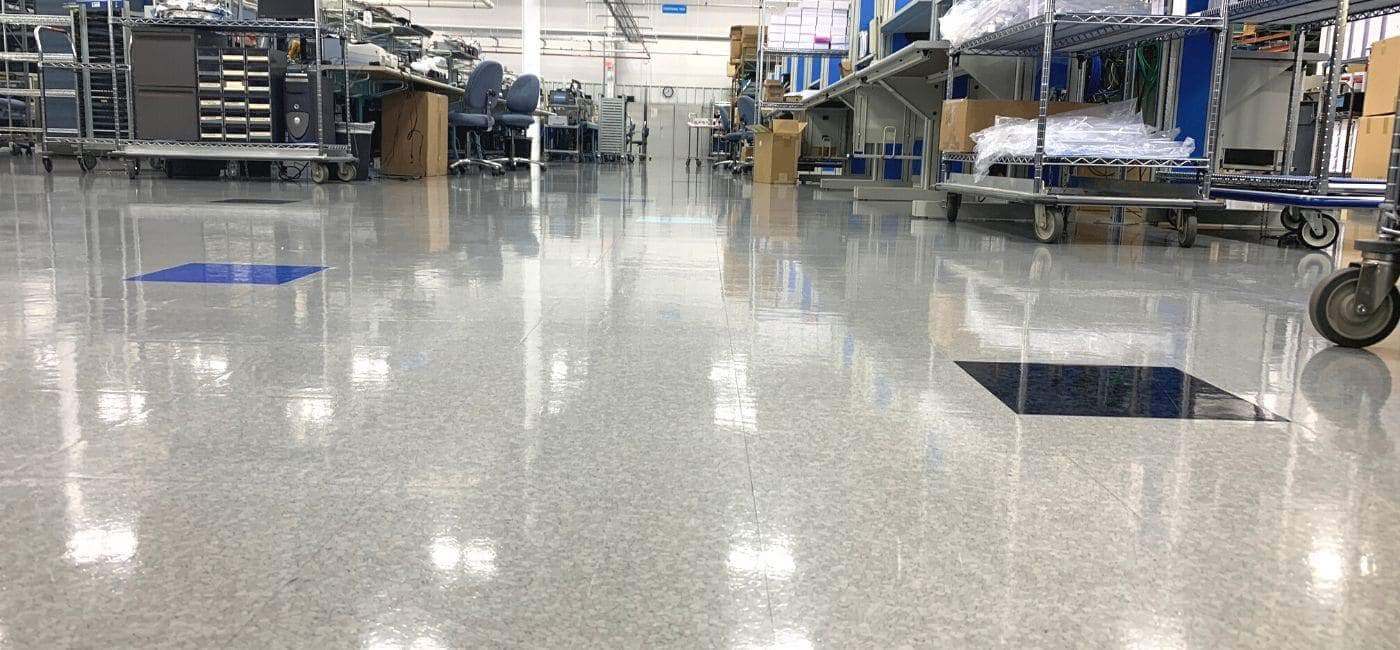
Highlights: Choosing the right electrical resistance for your application
For electronics manufacturing and handling applications, refer to:
ANSI/ESD S20.20 and choose a material that measures below 1.0 x 10E9 ohms.
For call centers, public safety and public safety dispatch, banking and financial institutions and any other application where people do not wear ESD-protective footwear, refer to:
Motorola R56 and/or ATIS 0600321 and choose flooring that measures between 1.0 x 10E6 and 1.0 x 10E9 ohms.
For FAA flight towers and facilities that use FAA equipment, refer to:
FAA 019f and choose a floor that measures between 1.0 x 10E6 and 1.0 x 10E9 ohms.
What Clients are Saying

We chose AmeriWorx SVT for our facility’s 32,000 sq. ft. production floor because we wanted the ultra-clean white look and great aesthetics realized with vinyl flooring as well as the excellent ESD protection offered with conductive tile.
Your product is impervious to most/all conditions. It’s impressive. Happy to be working with StaticWorx.
You would never know it was ESD, WHICH IS AMAZING! Your product rocks and I’m so glad we were able to find an attractive solution that didn’t leave us with some run-of-the-mill ugly disaster in the middle of our workspaces!
…the floor is awesome! It’s very durable and it’s very convenient that we can lift tiles up to remove debris from underneath, and even replace tiles if they are damaged. So from a functional perspective, this is the best floor for our manufacturing operation.
StaticWorx Static-Dissipative (SD) Flooring Products
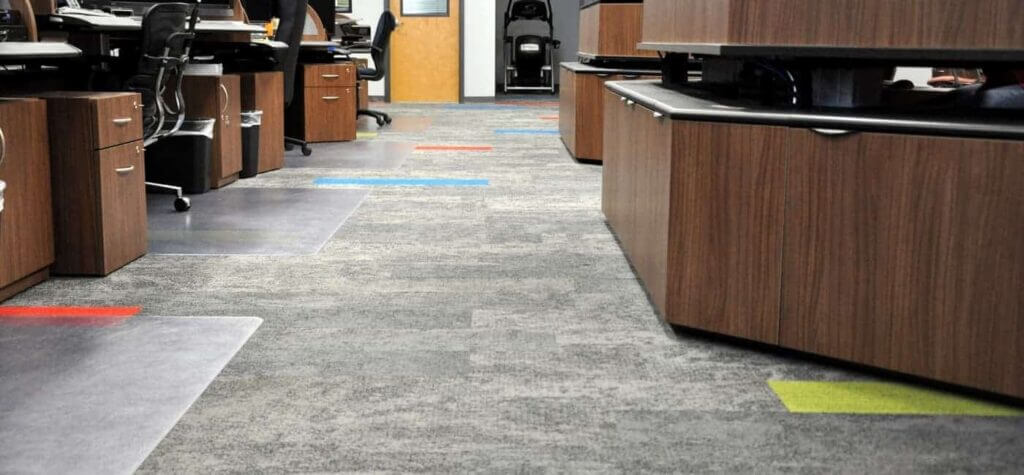
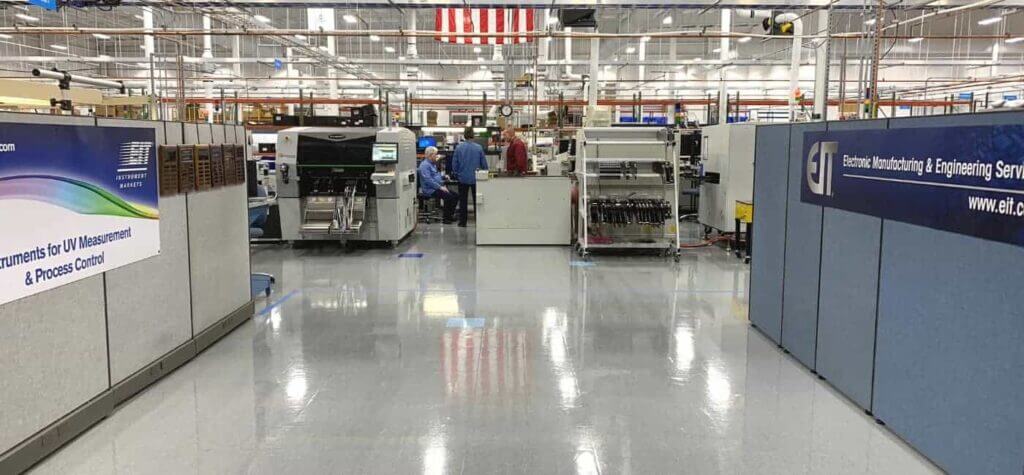
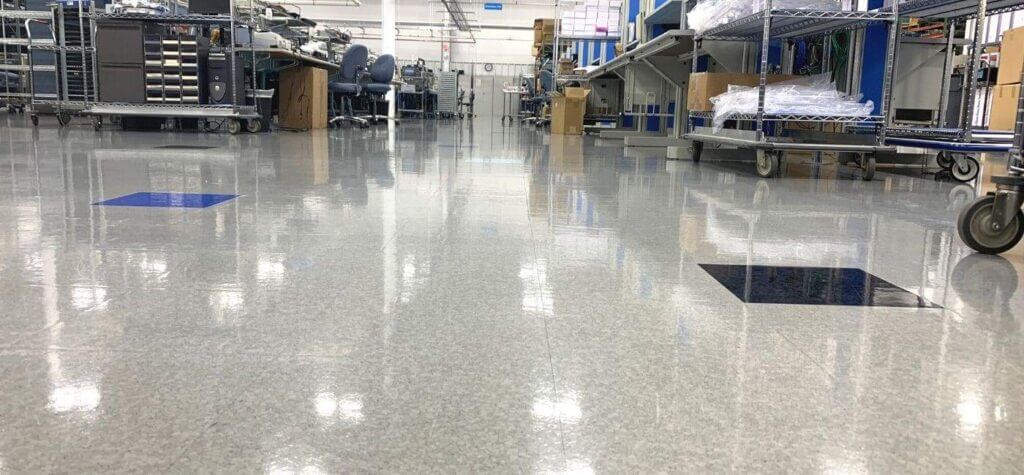
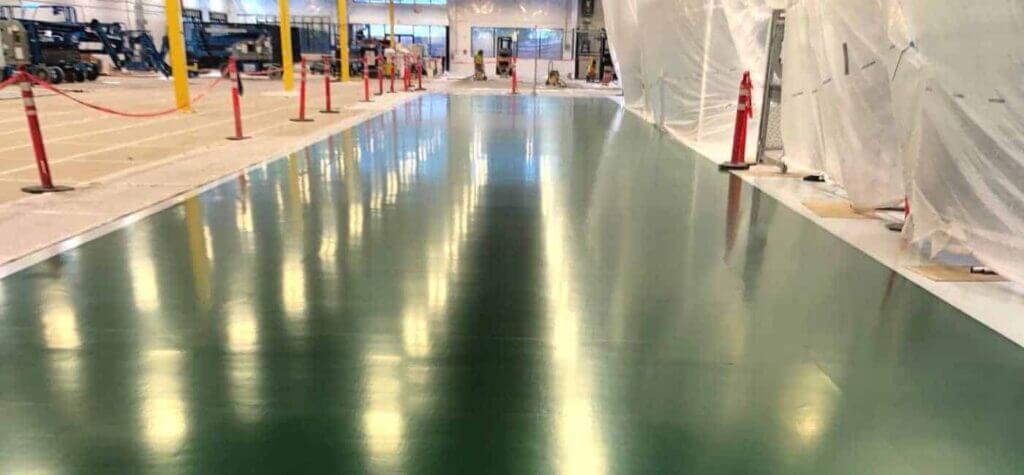
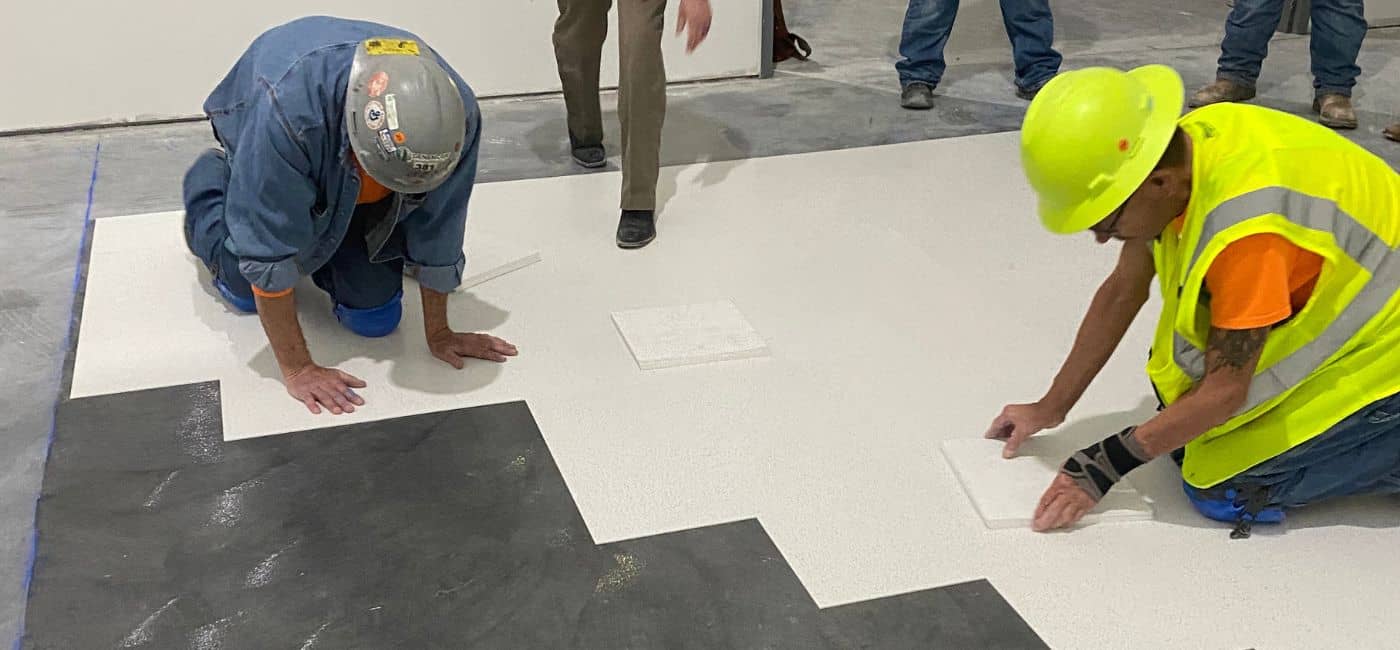
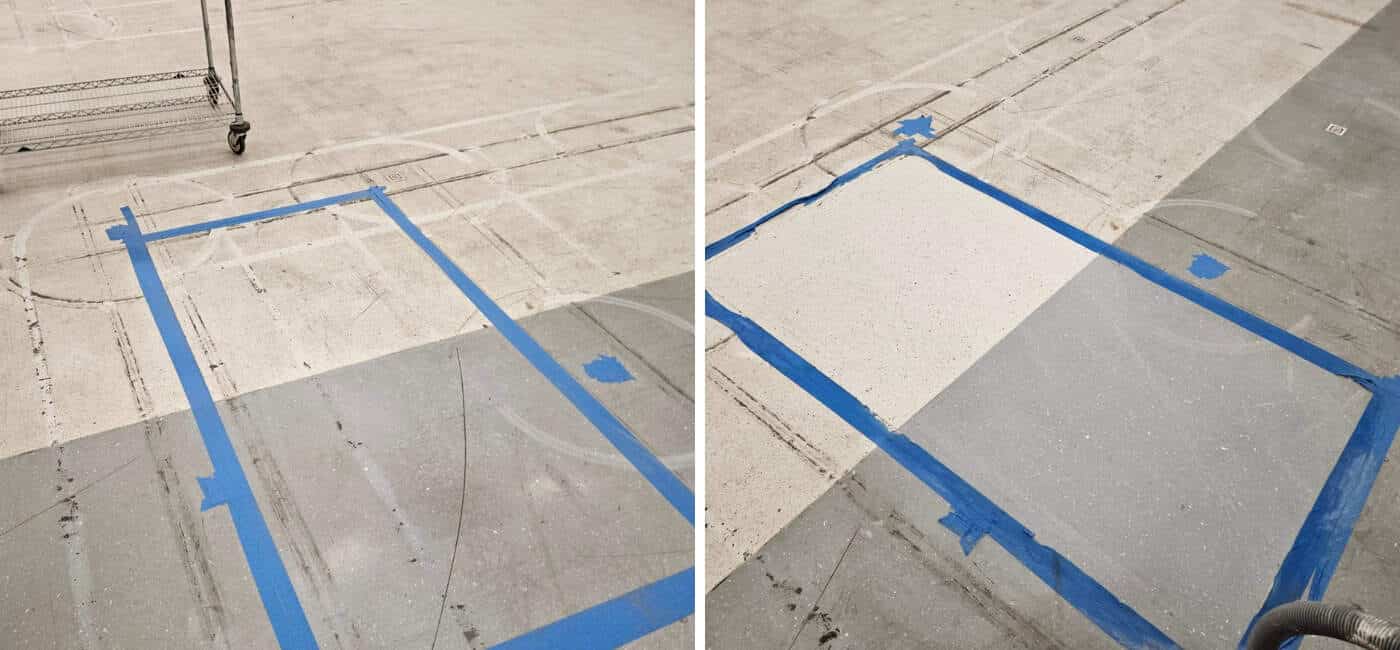
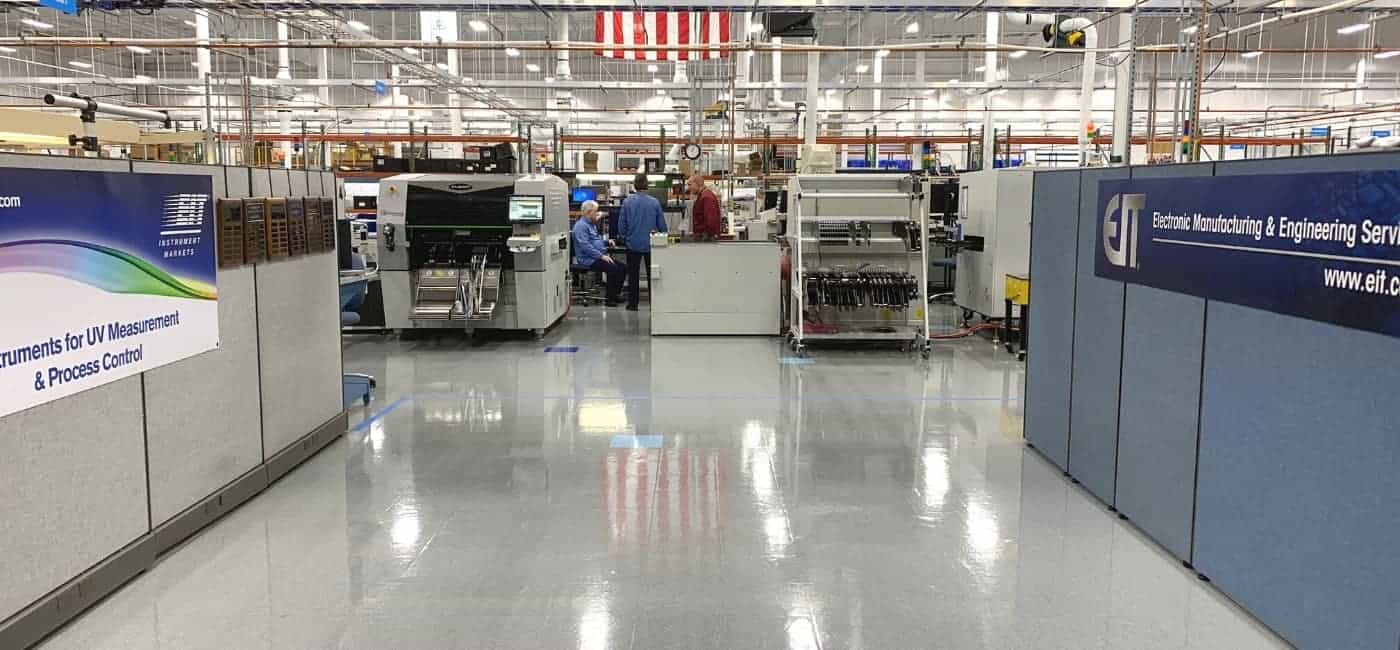
Static Dissipative (SD) Vinyl TileFrequently Asked Questions
Are static dissipative and conductive tile the same?
No — they’re both ESD (electrostatic discharge) flooring, but they aren’t identical.
- Conductive tile has a lower electrical resistance (< 1.0 × 10⁶ ohms) and allows static charges to flow more quickly to ground.
- Static dissipative tile has a higher resistance (≥ 1.0 × 10⁶ ohms and < 1.0 × 10⁹ ohms) and slows the flow, controlling it more gradually.
Both are ESD solutions, but the terms describe the rate of charge flow — not separate categories of product.
How are conductive and dissipative materials different?
The core difference is how fast they transport static electricity to ground:
- Conductive materials let current flow faster (lower resistance).
- Static dissipative materials slow the flow (higher resistance) for more controlled dissipation.
In practical terms:
- A more conductive floor can drain charge quickly.
- A static dissipative floor controls the rate of discharge so static doesn’t build up too fast or cause safety issues with energized equipment.
Isn’t more conductivity better?
Not always.
Too low resistance (too conductive) can actually be a safety risk in many facilities where energized equipment is present, because electricity might flow too freely, potentially creating a hazard. Static-dissipative floors moderate the flow so it’s safe and controlled.
Neither conductive nor static-dissipative on their own is inherently “better”; the best floor is the one that meets the right industry standards and functional needs, not simply the lowest resistance.
How do I choose static dissipative or conductive flooring?
Choose based on these key factors:
- Industry Standards – Different industries enforce different electrical resistance ranges. For example, many end-user environments like call centers or flight towers require floors in the static-dissipative range, while some electronics manufacturing facilities allow broader ranges.
- Application Risks – If highly explosive materials are present, a more conductive path may be required to quickly remove charge. If personnel are around energized equipment, a static-dissipative choice often reduces shock risk.
- Footwear and Usage Patterns – The electrical behavior of the floor in use (with people wearing typical footwear) is key — some materials perform differently depending on whether ESD footwear is worn.
In short: match the floor’s electrical characteristics to industry standard requirements and your specific environment. If you’re unsure which option is best, a StaticWorx representative can provide guidance tailored to your facility and requirements.

Why do electrical standards differ?
Electrical specifications vary because:
- Industries have different safety priorities and equipment contexts.
- Standards like ANSI/ESD S20.20 (electronics manufacturing) differ from FAA, Motorola R56, or ATIS standards (end-user or telecom spaces). These standards define acceptable resistance ranges and how static should be controlled.
Different environments, different hazards → different requirements.
Can I use manufacturer’s specs?
Manufacturer specs (e.g., resistance ranges from product sheets) are useful as a baseline, but they don’t provide enough information to know if the floor will perform properly within the system.
To be sure the floor is right for your application, you should always request independent test results or perform your own qualification and post-installation verification testing.
Never select a floor solely based on whether it’s labeled “conductive” or “static dissipative.”
Terms like “conductive” or “dissipative” are descriptors, not performance metrics. What truly matters is the component parts of the flooring system – including footwear – and whether a floor meets the relevant test standards for both electrical resistance and charge generation for your application.
Manufacturer specs can be part of your evaluation, but should always include testing and adherence to the applicable standards for your facility and tests should always be performed with the footwear that will be used in the space.
Static-Control Education at Your Fingertips
Explore the StaticWorx Knowledge Center for technical articles, videos, and guides to help you specify, install, and maintain ESD flooring with confidence.


Ready to Eliminate Static Risk?
When your facility’s protection depends on getting it right the first time, choose
the company with an unmatched track record. We’re standing by to assist you.